

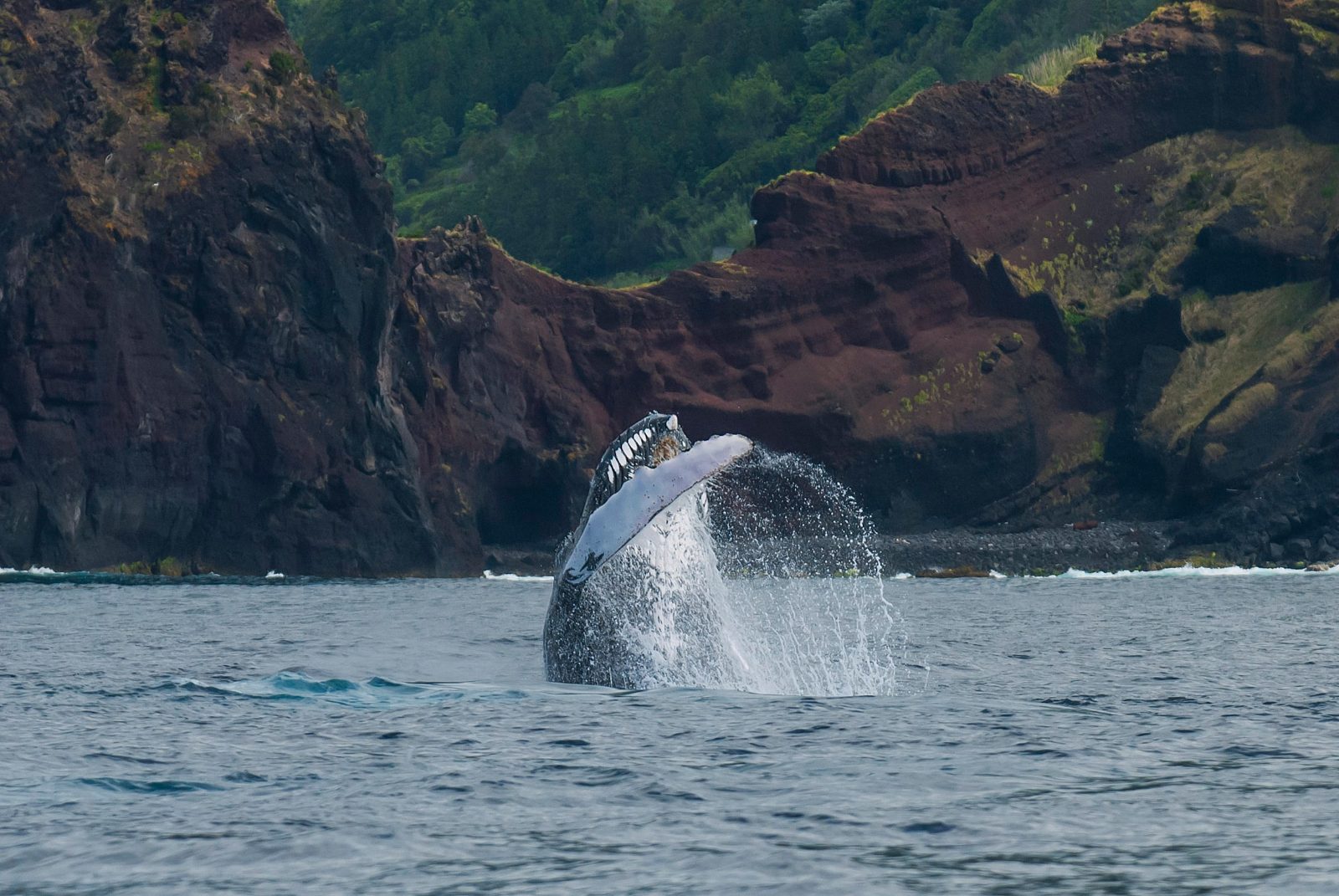
Quick answer
The best whale watching Pico experiences depart between April and October, with sperm whales present year-round and migrating baleen species passing through spring and autumn. Most operators launch from Lajes do Pico and Madalena harbours between 08:30 and 14:30, when ocean conditions and visibility peak. Tours typically last three hours, and advance booking secures morning slots when marine activity is highest.
Pico's whale watching industry evolved from centuries of shore-based lookout stations called vigias, stone towers where spotters once directed whaling boats and now guide research vessels and tourist expeditions. The island's steep underwater topography drops to abyssal depths within two nautical miles of shore, drawing deep-diving cetaceans close to accessible waters. Twenty-four species have been catalogued in the Azorean archipelago, with sperm whales forming resident pods that hunt giant squid along the submarine canyon system. Operators departing from Lajes do Pico and Madalena maintain contact with land-based lookouts who scan the horizon with binoculars and radio coordinates to captains in real time. This collaborative network increases sighting rates significantly compared to random search patterns. Rigid-hulled inflatables allow closer approach under Portuguese marine regulations, while larger catamarans provide stability for passengers less comfortable with open-water conditions. Naturalist guides interpret surface behaviour, explain dive patterns, and identify individual whales through fluke photography catalogues maintained by regional research teams. The best whale watching Pico itineraries align departure windows with tidal phases and wind forecasts rather than fixed schedules alone. Morning excursions between 08:30 and 11:00 benefit from calmer seas before afternoon thermal winds develop, particularly during summer months when the Azores High dominates weather patterns. Spring arrivals of migrating blue whales and fin whales overlap with resident sperm whale populations, creating brief windows when multiple species occupy the same feeding grounds. Autumn months bring sei whales and increased dolphin pod activity as schools of mackerel and sardines concentrate near the surface. Operators based at both harbours follow the same marine park regulations governing approach distance and engine protocols, but Lajes excursions access the southern shelf more quickly while Madalena boats cover the western slope where baleen whale sightings concentrate during migration peaks. Most tours include dolphin encounters as secondary sightings, with common dolphins, bottlenose dolphins, and Risso's dolphins regularly bow-riding alongside vessels. Hydrophones mounted on research-equipped boats allow passengers to hear sperm whale clicks during deep dives, adding an acoustic dimension to visual observation.
“Shore-based lookouts communicate whale coordinates to boat captains in real time, a collaboration that evolved directly from Pico's historic whaling stations.”
When Is the Best Time for Whale Watching in Pico?
The period between April and October offers the highest probability of sightings, with the best arrival window daily falling between 08:30 and 14:30. During these hours, ocean conditions are generally most favorable for visibility and vessel stability.
April to June
ModerateCooler, 16°C–20°C
Blue whales migrate through the region during these spring months. High nutrient levels attract various baleen species.
July to September
HighWarm, 22°C–26°C
Resident sperm whales are frequently sighted in these stable summer conditions. This period experiences the highest volume of visitors.
October
LowMild, 19°C–22°C
Migratory patterns remain active as the season winds down. This provides quieter observation opportunities before the winter interval.
Verdict: For the best balance of marine life diversity and ocean conditions, plan your visit for a weekday morning between 08:30 and 14:30 during the months of May or September.
Operating Hours for Best Whale Watching Pico Excursions
The visitor centers and harbor offices operate on a consistent daily schedule to assist with excursion inquiries.
| Monday | 08:30–18:00 | |
|---|---|---|
| Tuesday | 08:30–18:00 | |
| Wednesday | 08:30–18:00 | |
| Thursday | 08:30–18:00 | |
| Friday | 08:30–18:00 | |
| Saturday | 08:30–18:00 | |
| Sunday | 08:30–18:00 |
Understanding Costs for the Best Whale Watching Pico Trips
Access to the whale watching offices in Lajes do Pico and Madalena is free of charge. Tour costs are calculated per person per excursion.
Individual excursion costs vary by provider and specific tour duration selected.
Getting to the Best Whale Watching Pico Departure Points
Whale watching departures are located at the Lajes do Pico and Madalena harbours on Pico Island. Visitors may reach these coastal points via local road networks or regional maritime connections.
ER1-2 to Lajes do Pico or Madalena town center
Line 3 or 4 to Lajes or Madalena stops
Direct service to harbour locations
Atlanticoline ferry to Madalena terminal
Checklist for Your Best Whale Watching Pico Experience
Pack the right gear and prepare for ocean conditions to make the most of your offshore excursion.
-
Bring valid photo ID
-
Required for harbor check-in and passenger manifests.
-
Wear layered, waterproof clothing
-
Ocean temperatures drop and spray is common even in summer.
-
Pack motion sickness medication
-
Swells can be unpredictable; take tablets 30–60 minutes before departure.
-
Apply reef-safe sunscreen
-
UV exposure is intense on open water and standard formulas harm marine life.
-
Charge your camera and phone
-
Whale sightings happen quickly and battery drains faster in cold, damp conditions.
-
Arrive 15 minutes early
-
Allows time for safety briefing and boarding without delaying the group.
Combining Your Best Whale Watching Pico Trip with Local Sights
Extend your time on Pico Island by visiting cultural and natural landmarks located near the primary whale watching departure points in Lajes do Pico and Madalena. These locations provide context to the maritime history and volcanic landscape that define the region.
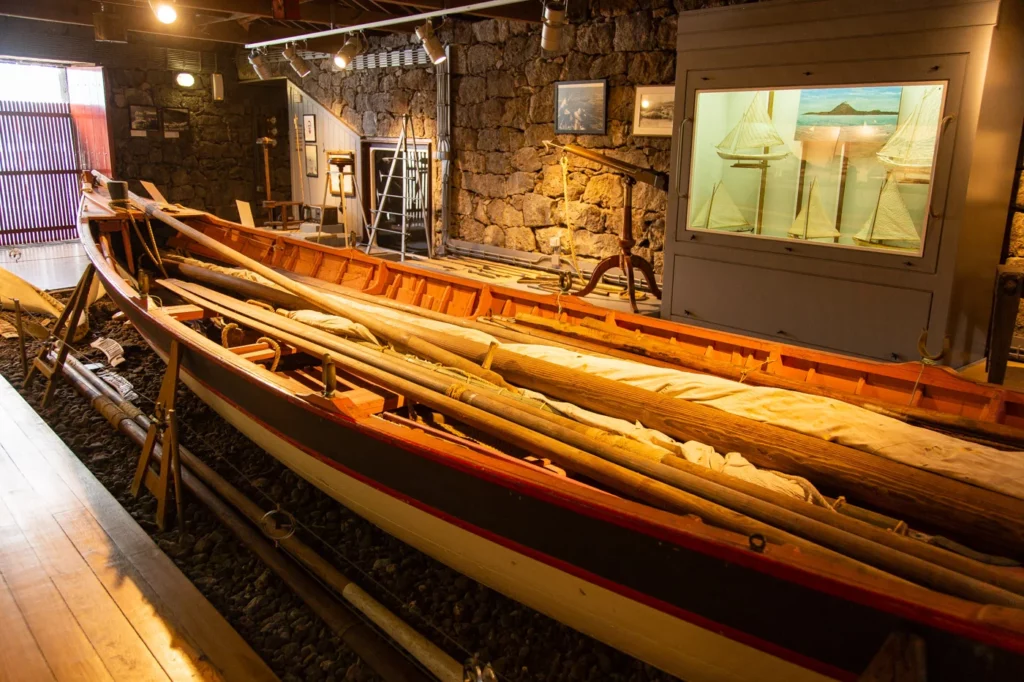
Whalers Museum (Museu dos Baleeiros)
Located in Lajes do Pico, this museum offers insight into the history of whaling in the Azores, providing context to the marine species you may encounter during your excursion.
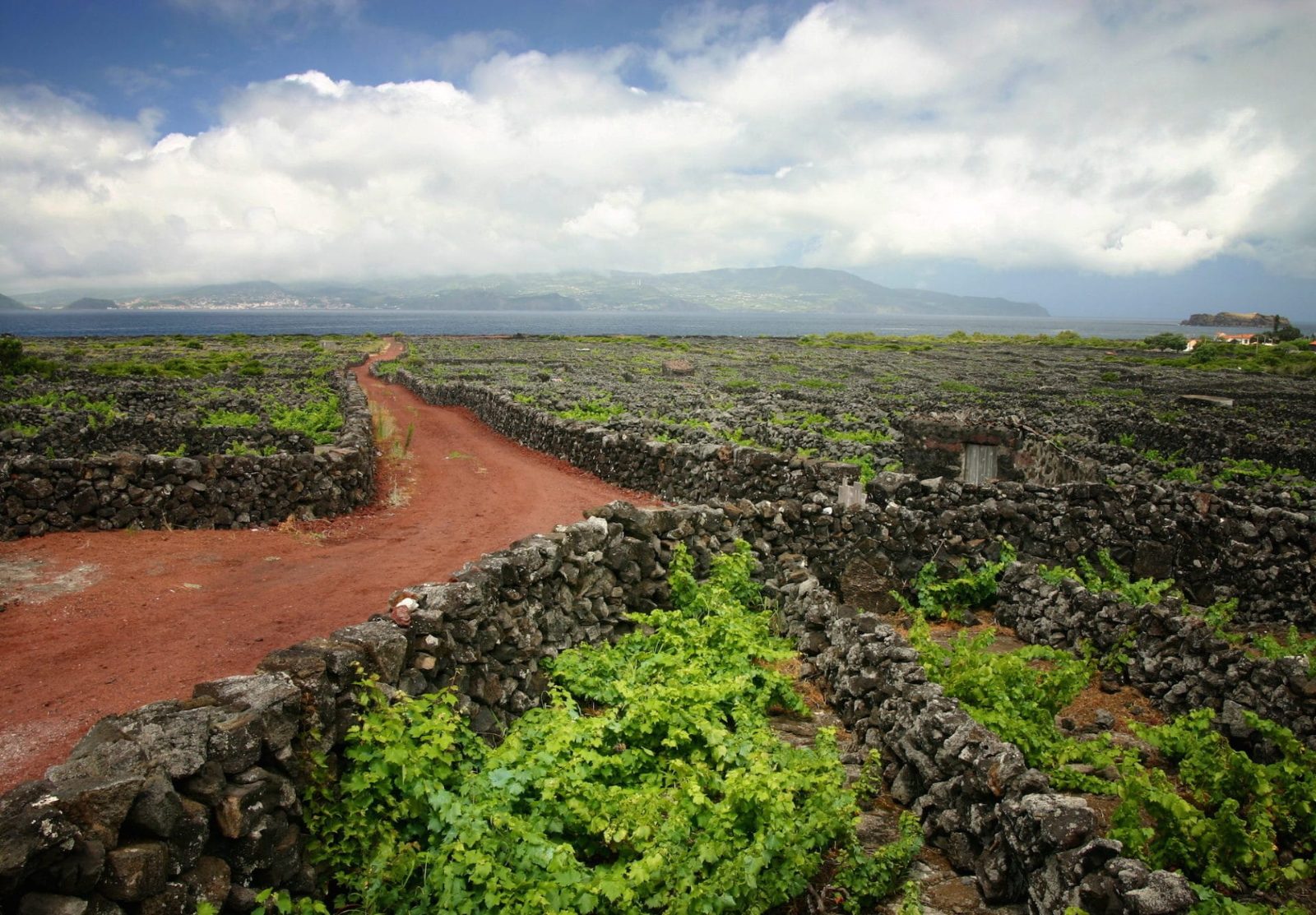
Pico Island Vineyard Culture
The UNESCO-listed vineyards near Madalena demonstrate how volcanic soil shapes local agriculture, contrasting with the ocean-focused nature of your tour.
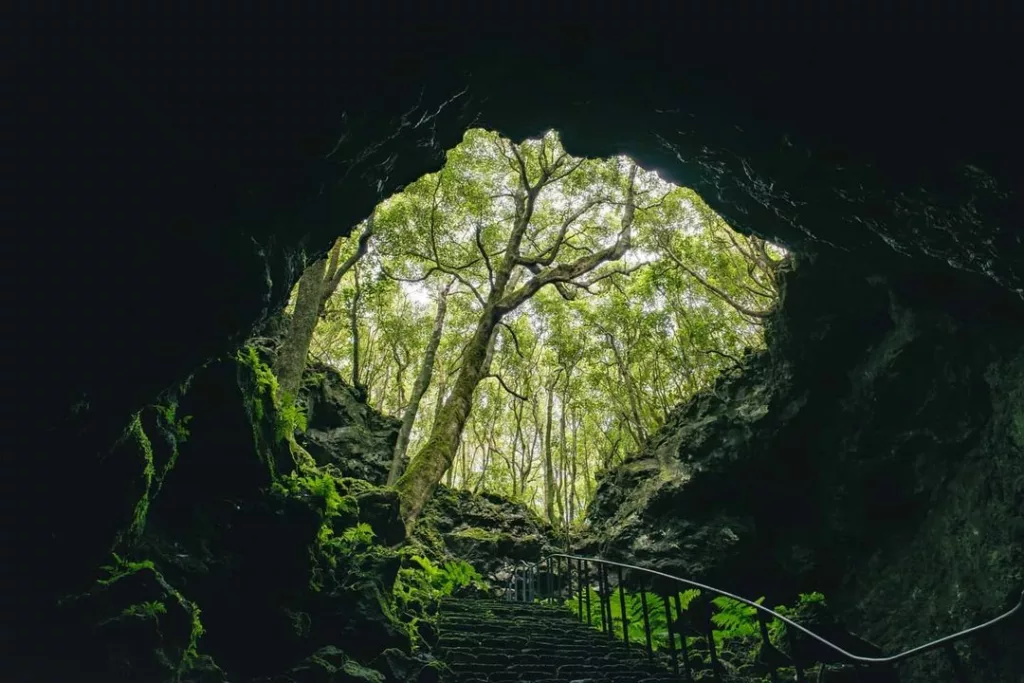
Gruta das Torres
This extensive lava tube provides a deeper understanding of the volcanic origins of the island, complementing a day spent exploring its coastline.
Check availability
Frequently asked questions about best whale watching pico
Everything you need to know about best whale watching pico