3 hr
Whale Watching Adventure from Lajes do Pico
- Entry ticket
- Mobile voucher
- Valid same day
- Free cancellation
Pico Whale Watching Madalena — Atlantic Cetacean Expeditions
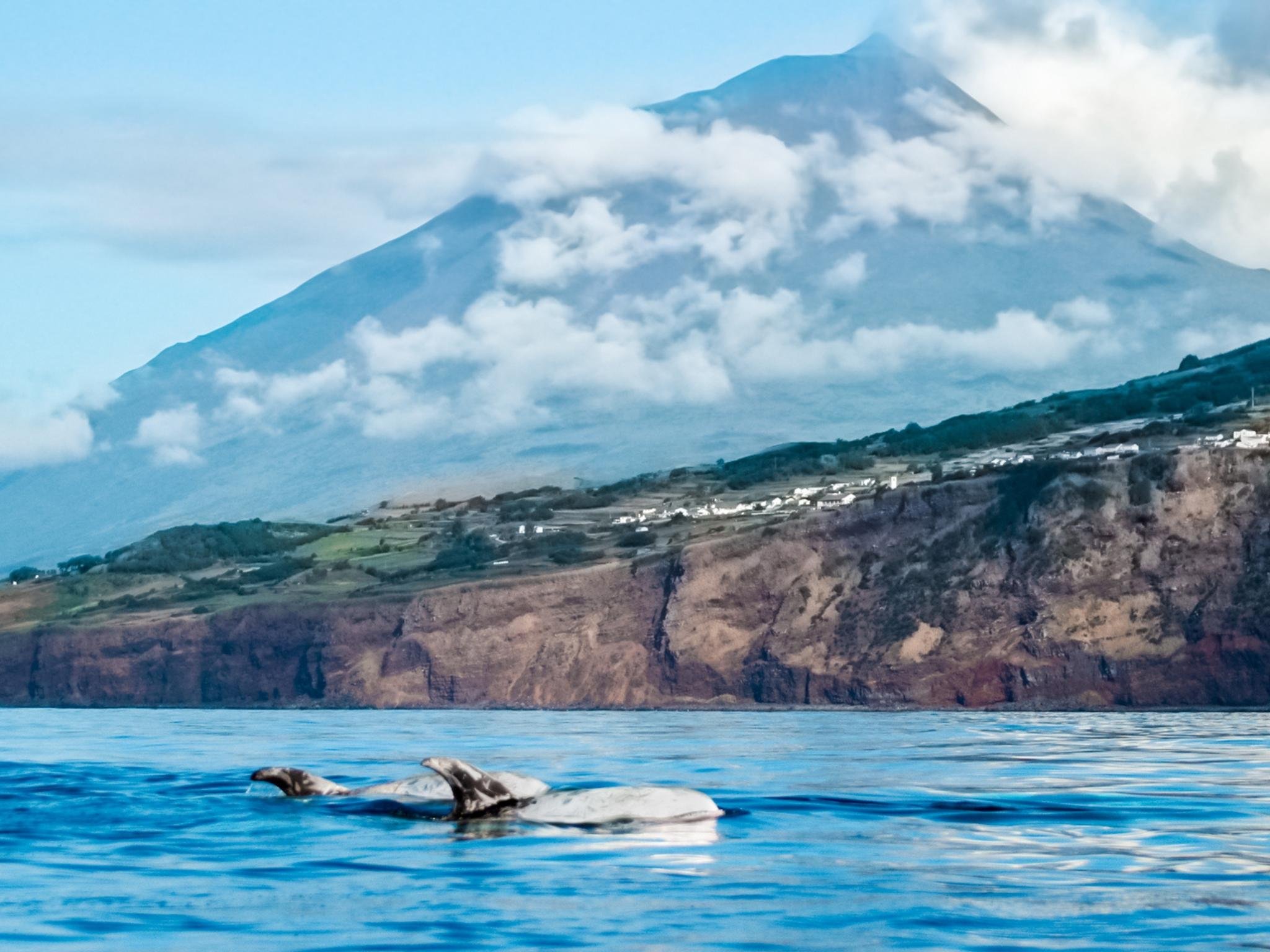
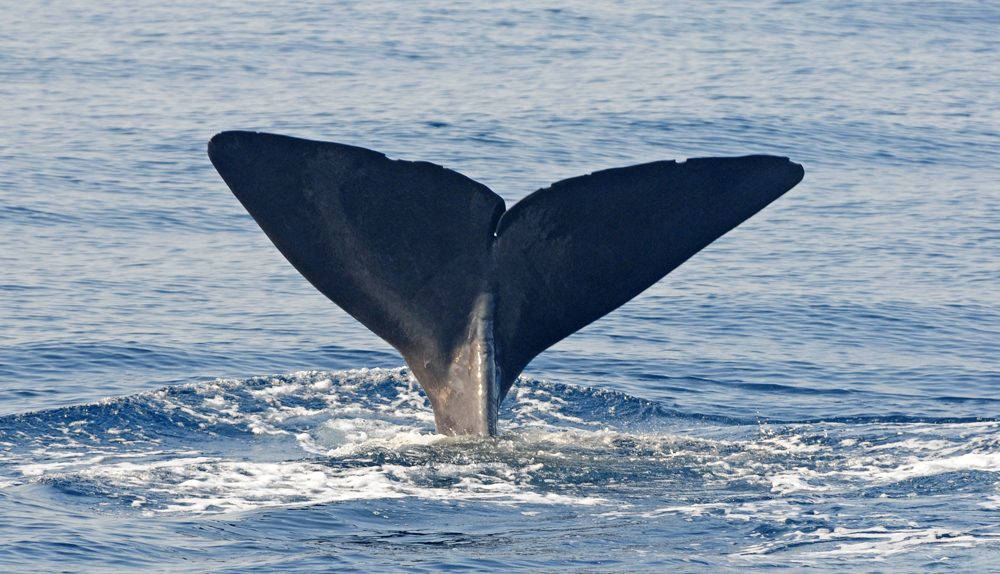
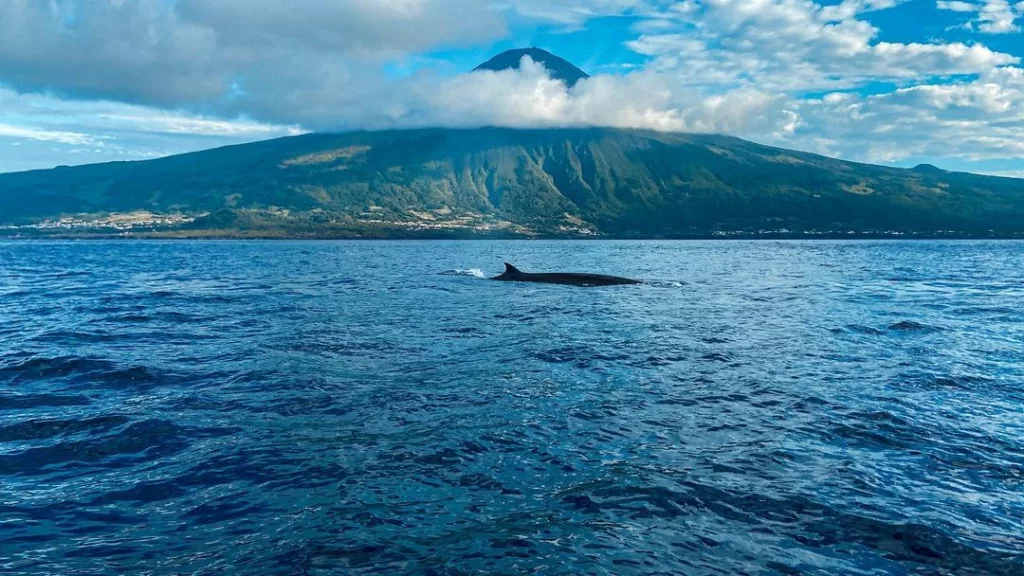
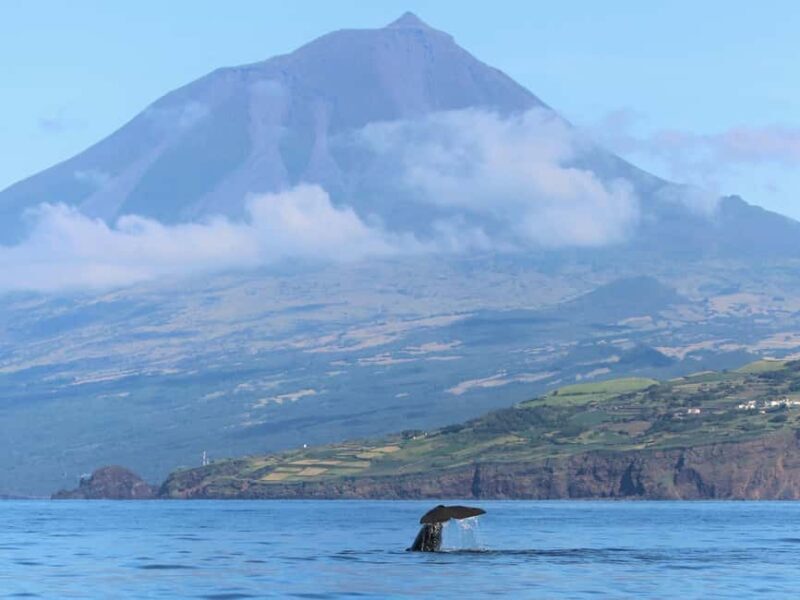
Sperm whales breach off volcanic slopes, dolphins ride the bow wake.
Compare fares, pick the fit — all bookings are mobile-voucher and eligible for free cancellation where shown.
3 hr
2 hr 30 min
3 hr
Choosing the right pico whale watching madalena excursion allows you to explore the rich cetacean diversity of the Azores. Select your preferred maritime experience from these official tour options to begin your journey.
|
Top pick Whale Watching Tour Standard Observation |
Swimming with Dolphins Guided Marine Encounter | |
|---|---|---|
| Duration | Average 3 hours | Average 3 hours |
| Wildlife focus | Whales and dolphins | Dolphins and interaction |
| Operator | CW Azores | CW Azores |
| Best arrival window | 08:30–13:30 | 08:30–13:30 |
| Location | Marina da Madalena | Marina da Madalena |
| Best for | First-timers | Experienced wildlife enthusiasts |
| See tickets & prices |
Verdict: For the most reliable encounter with local marine life, booking your pico whale watching madalena tour in advance is recommended.
Worth it for marine life enthusiasts
Pico whale watching madalena delivers one of the Atlantic's most reliable cetacean encounters, with sighting success rates consistently above 95% from April through October. The Azores sit on migratory routes for over twenty whale and dolphin species, including sperm whales, blue whales, and resident common dolphins. Marine biologist guides on zodiac expeditions provide real-time ecological context, explaining feeding behaviors and sustainable observation protocols that distinguish these tours from generic coastal cruises. The three-hour zodiac adventures from Lajes do Pico position you at eye level with the animals, far more immersive than deck observation from larger vessels. Summit ascent options exist for those prioritizing terrestrial experiences, but the marine research whale and dolphin expedition represents the island's signature natural asset. Budget roughly €55–75 per adult for standard whale watching tours, with marine research expeditions commanding premium pricing for extended duration and smaller group sizes. The experience pays off most for travelers who value educational depth over quick photo opportunities.
Bottom line: If you prioritize marine wildlife over terrestrial sights, pico whale watching madalena tickets justify the cost through unmatched sighting reliability and expert-led interpretation.
They complement each other; visitors seeking convenience choose pico whale watching madalena, while those prioritizing traditional maritime heritage prefer the southern port. Choosing between these pico whale watching madalena tours depends on whether your itinerary favors proximity to vineyards or historic whaling culture.
|
Top pick Madalena |
Lajes do Pico | |
|---|---|---|
| Primary target species | Sperm whales and dolphins | Sperm whales and dolphins |
| Ocean conditions | Variable with channel currents | Open Atlantic exposure |
| View of Pico Mountain | Direct profile of mountain | Distant coastal perspective |
| Departure frequency | Multiple daily departures | Multiple daily departures |
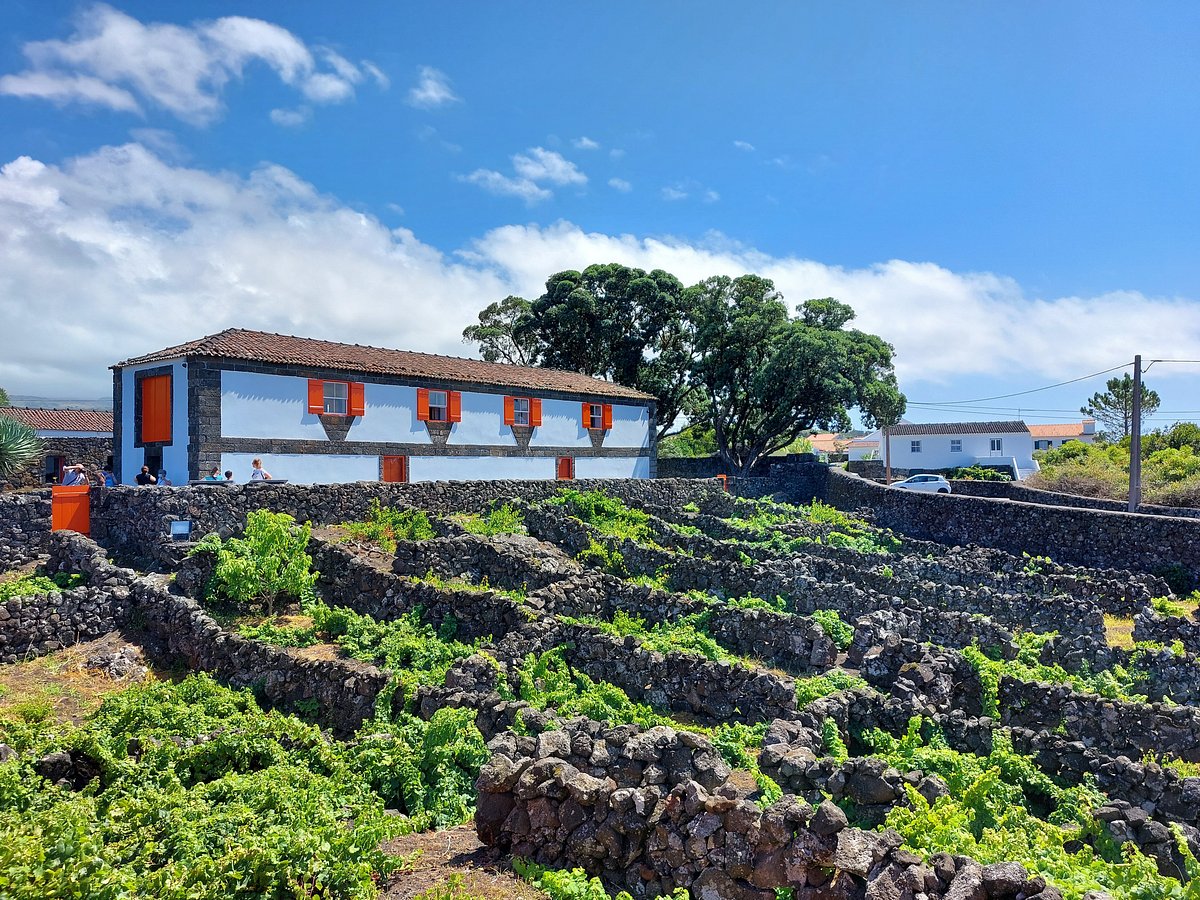
| Nearby land-based activities | Wine museum and vineyards | Whaling museum and harbor |
| Boat type | Rigid Inflatable Boats | Traditional and modern boats |
| See tickets & prices |
Verdict: Opt for a pico whale watching madalena tour if you want easy access to local amenities, or book pico whale watching madalena tickets at the southern port if you prefer an immersion in the island's deep-rooted cetacean research history.
Hand-picked experiences loved by thousands of travelers
8 hours
Free Cancellation
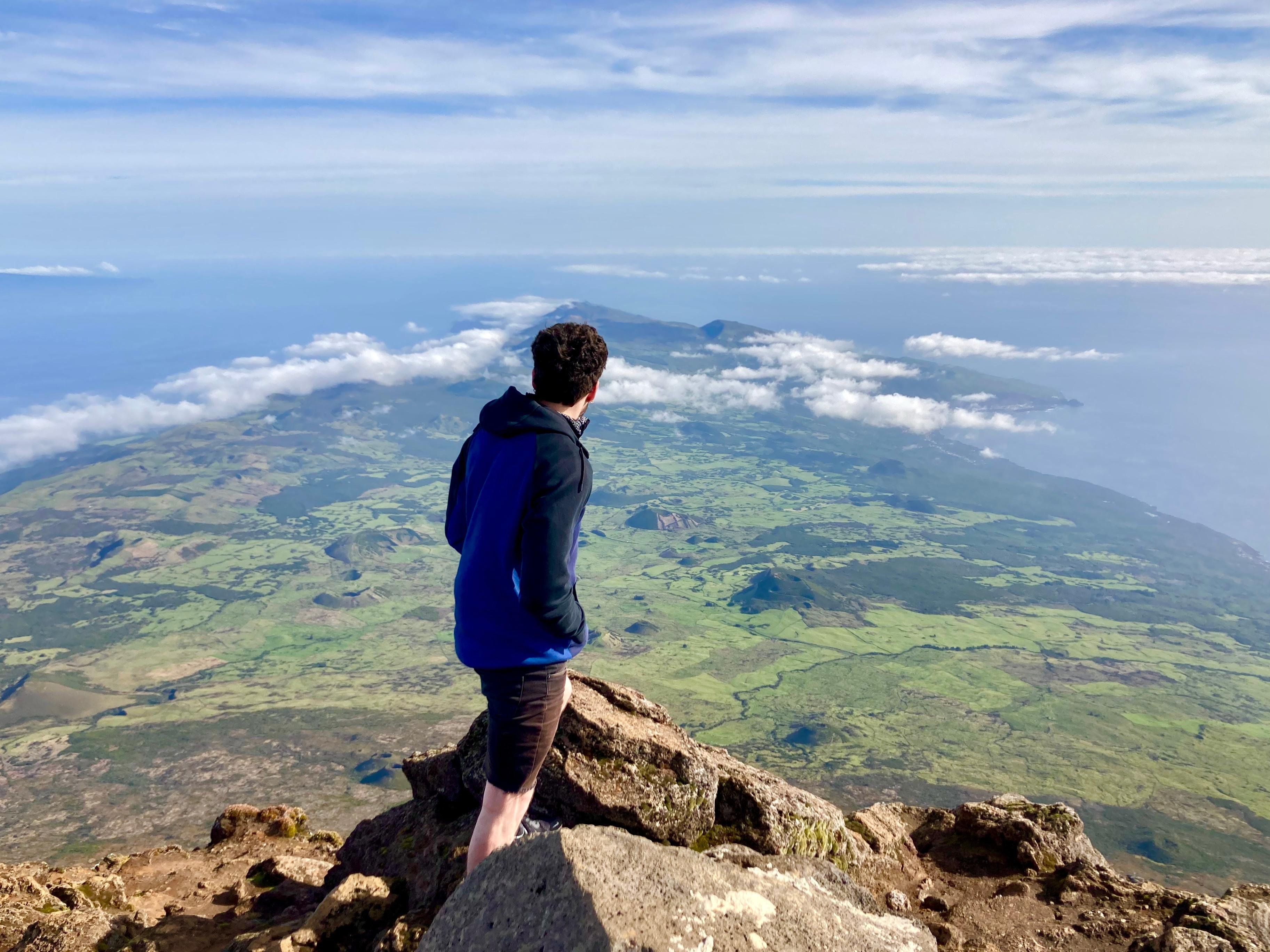
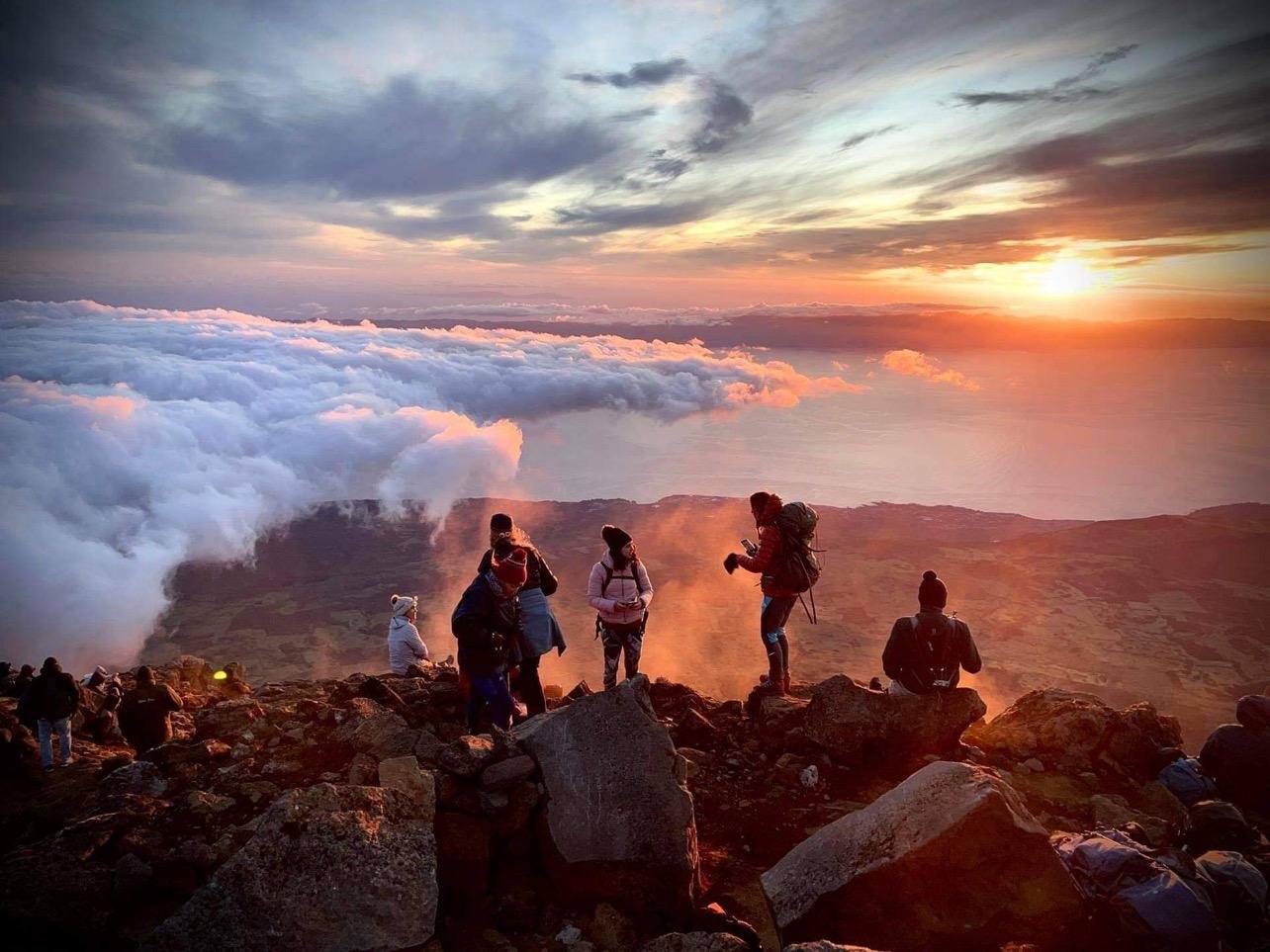
Conquer Portugal's tallest summit on this challenging guided trek through volcanic terrain and lush forests
8-10 hours
Free Cancellation
Ascend to the top of Portugal on this challenging volcanic summit trek with expert mountain guides
4 hours
Free Cancellation
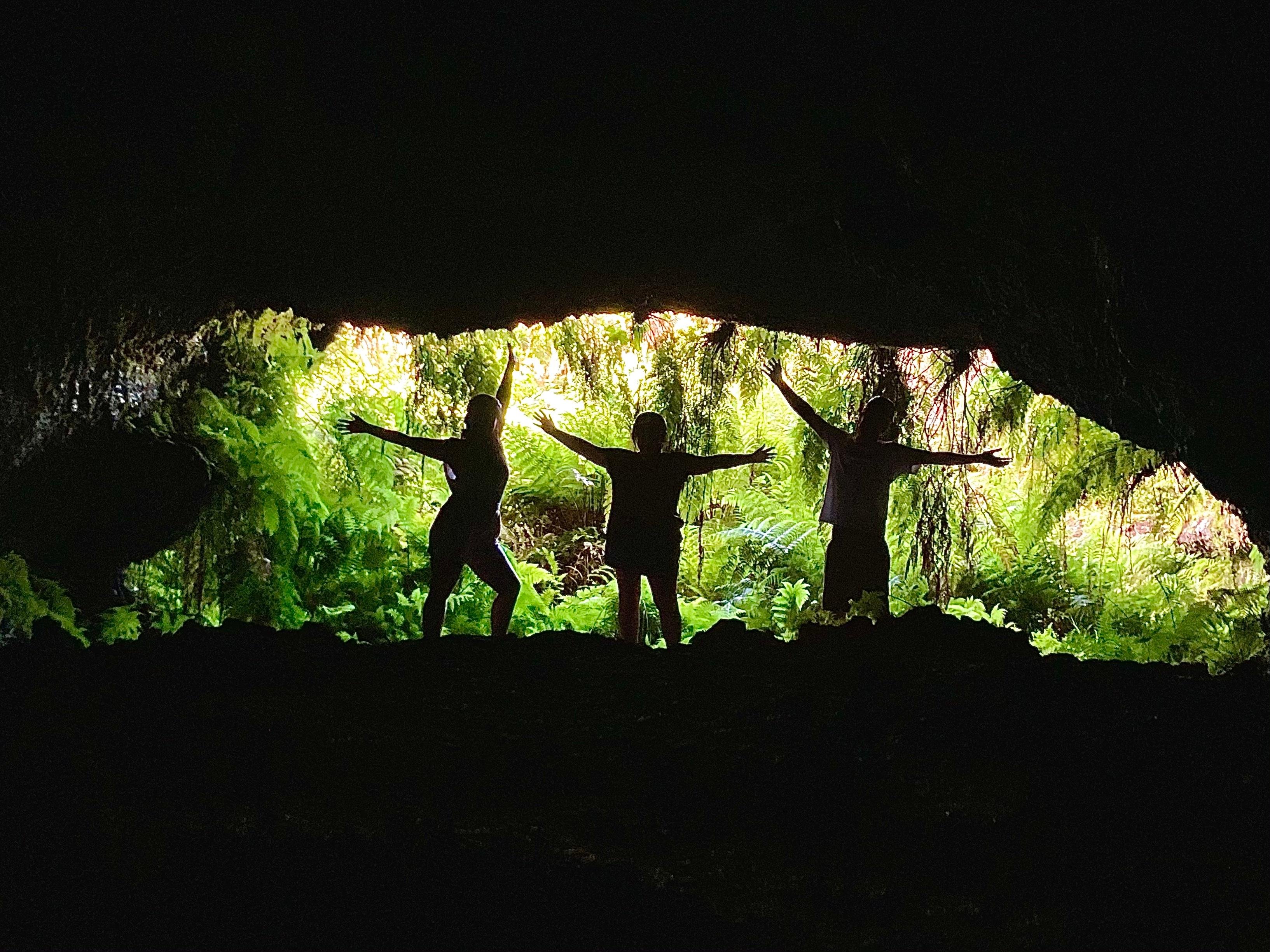
Journey through volcanic landscapes, explore underground tunnels, and witness stunning crater lakes
8 hours
Free Cancellation
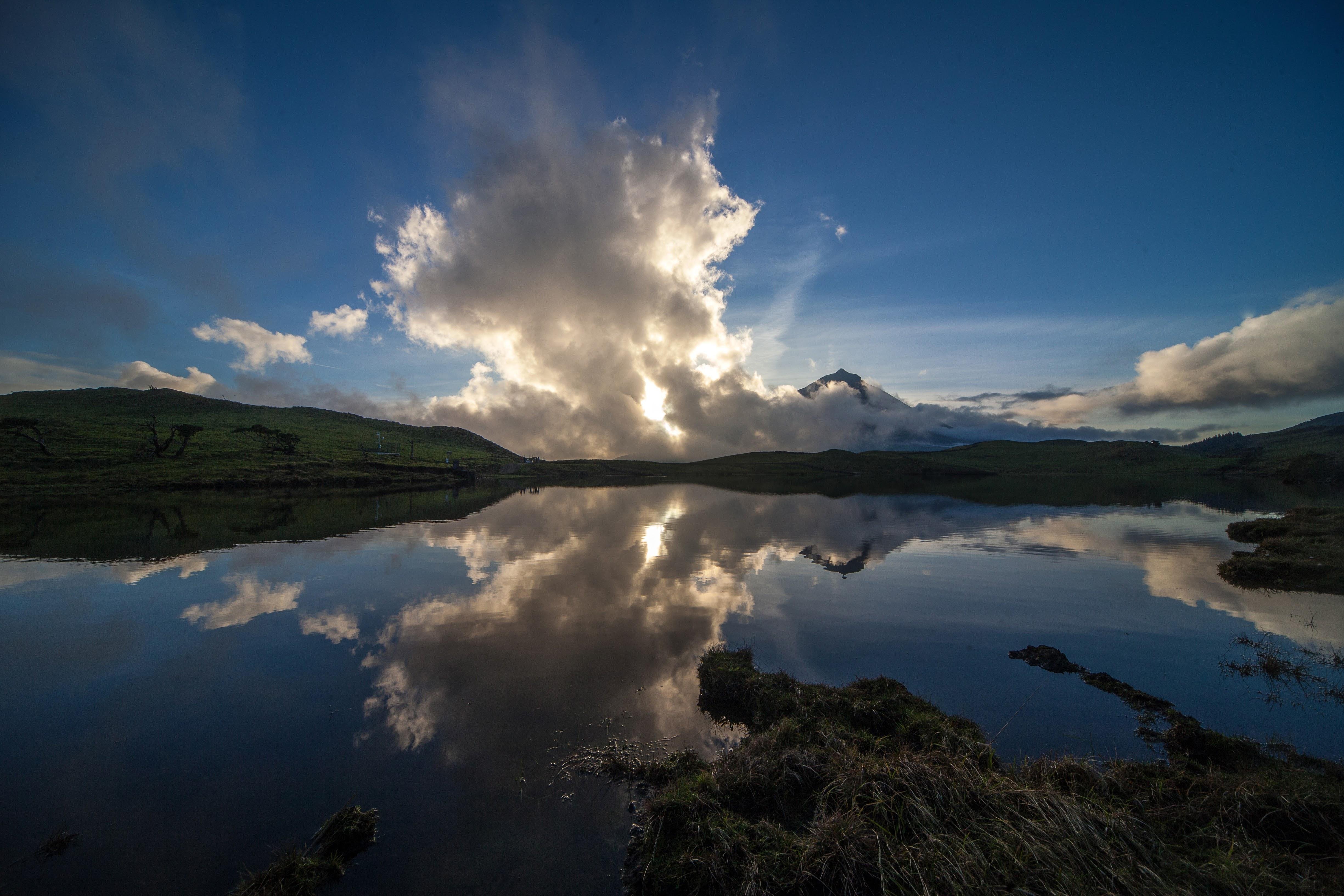
Explore Pico's volcanic wonders, crater lakes, and dramatic viewpoints on this immersive 8-hour guided adventure
2.5 hours
Free Cancellation
Explore volcanic landscapes and savor locally-crafted spirits on this intimate flavor journey
2.5 hours
Free Cancellation
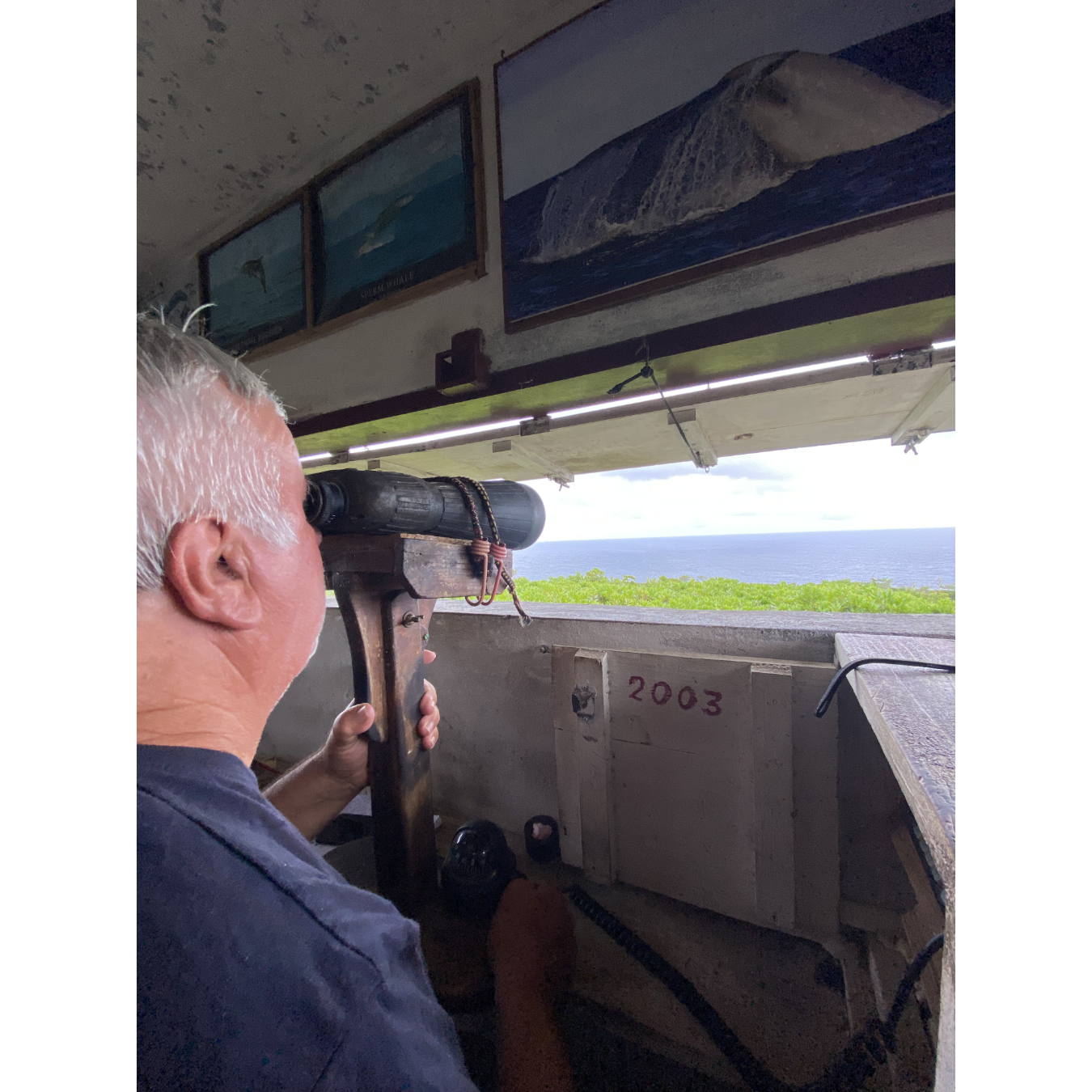
Journey to a historic ocean observation post and meet the islander who watches for whales daily
1.5 hours
Free Cancellation
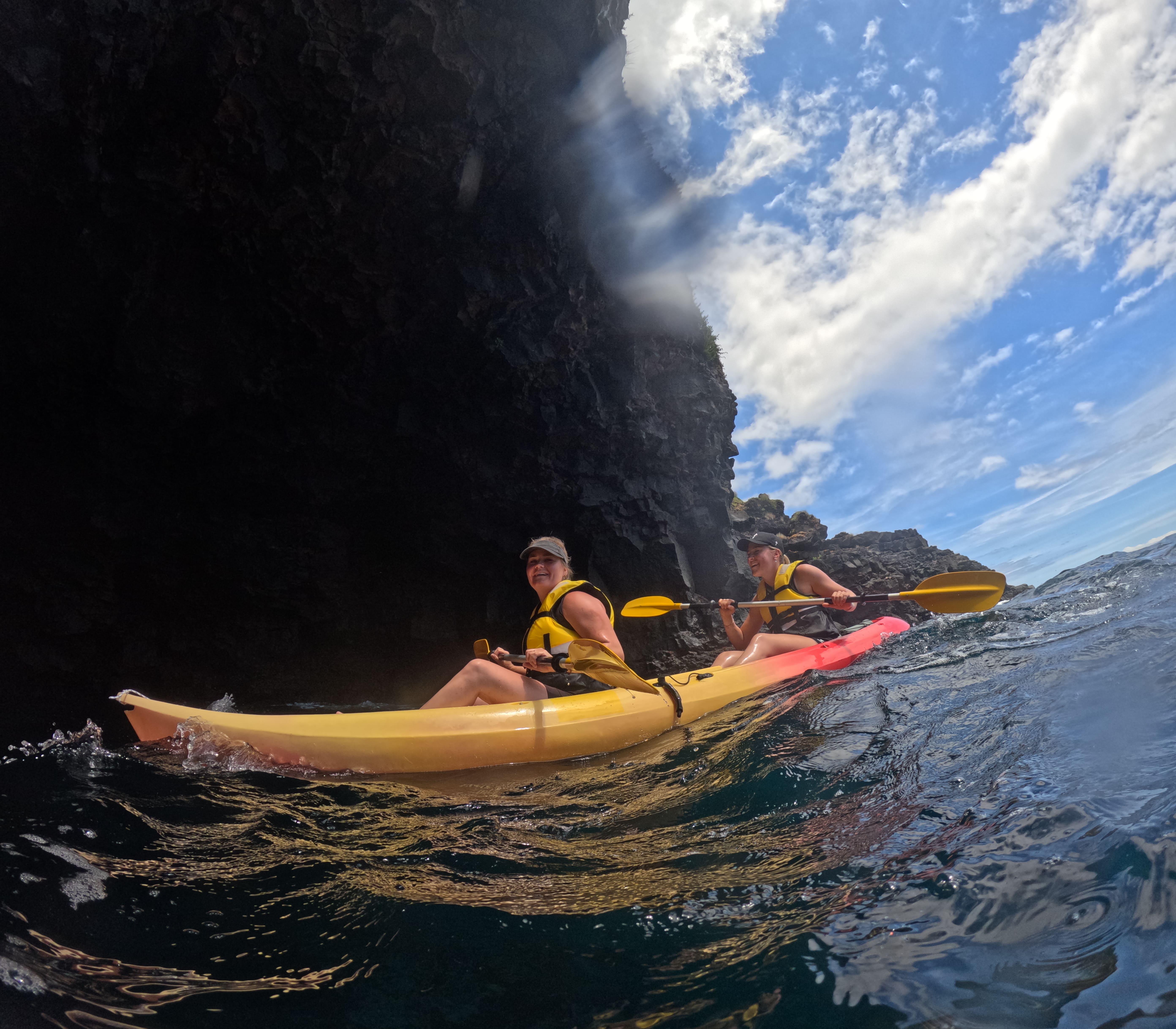
Paddle through volcanic caves and lava formations along Pico's dramatic Atlantic shoreline
4 hours
Free Cancellation
Journey through centuries-old volcanic vineyards where hand-built stone walls meet the Atlantic
Arrival at Marina da Madalena office
Overview of marine life and safety
Guided maritime excursion
Disembarkation at marina
Area known for frequent sperm whale sightings and calm waters.
Panoramic views of the coastline from the vessel deck.
Educational session provided before each boat departure.
Unique volcanic rock structures visible from the sea.
You arrive at Marina da Madalena thirty minutes before departure and check in at the operator's harborfront office. The crew issues flotation suits and waterproof bags, then briefs the group on approach protocols and hand signals for sighting announcements.
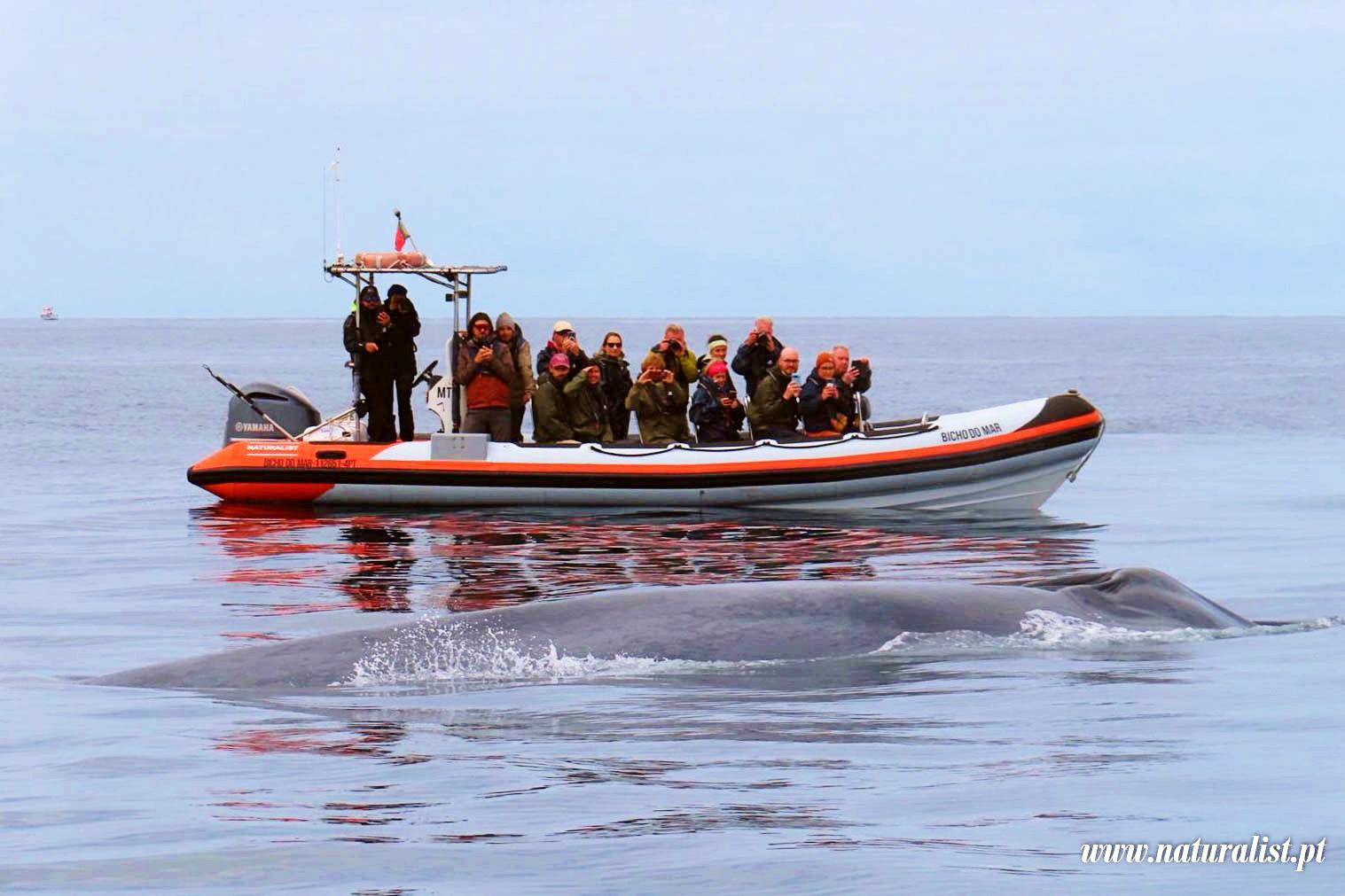
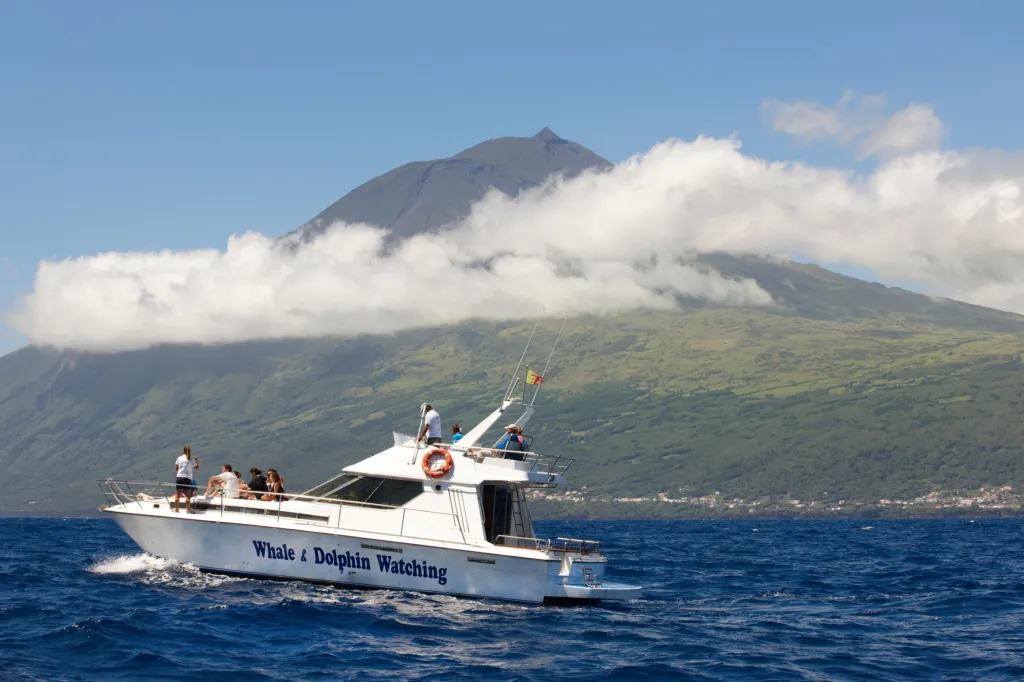
You board a Zodiac at the floating dock, settling onto the inflatable pontoon with seven other passengers. The boat exits the marina's breakwater and accelerates west along Pico's coastline, Mount Pico's volcanic summit rising behind you at two thousand three hundred fifty-one metres.
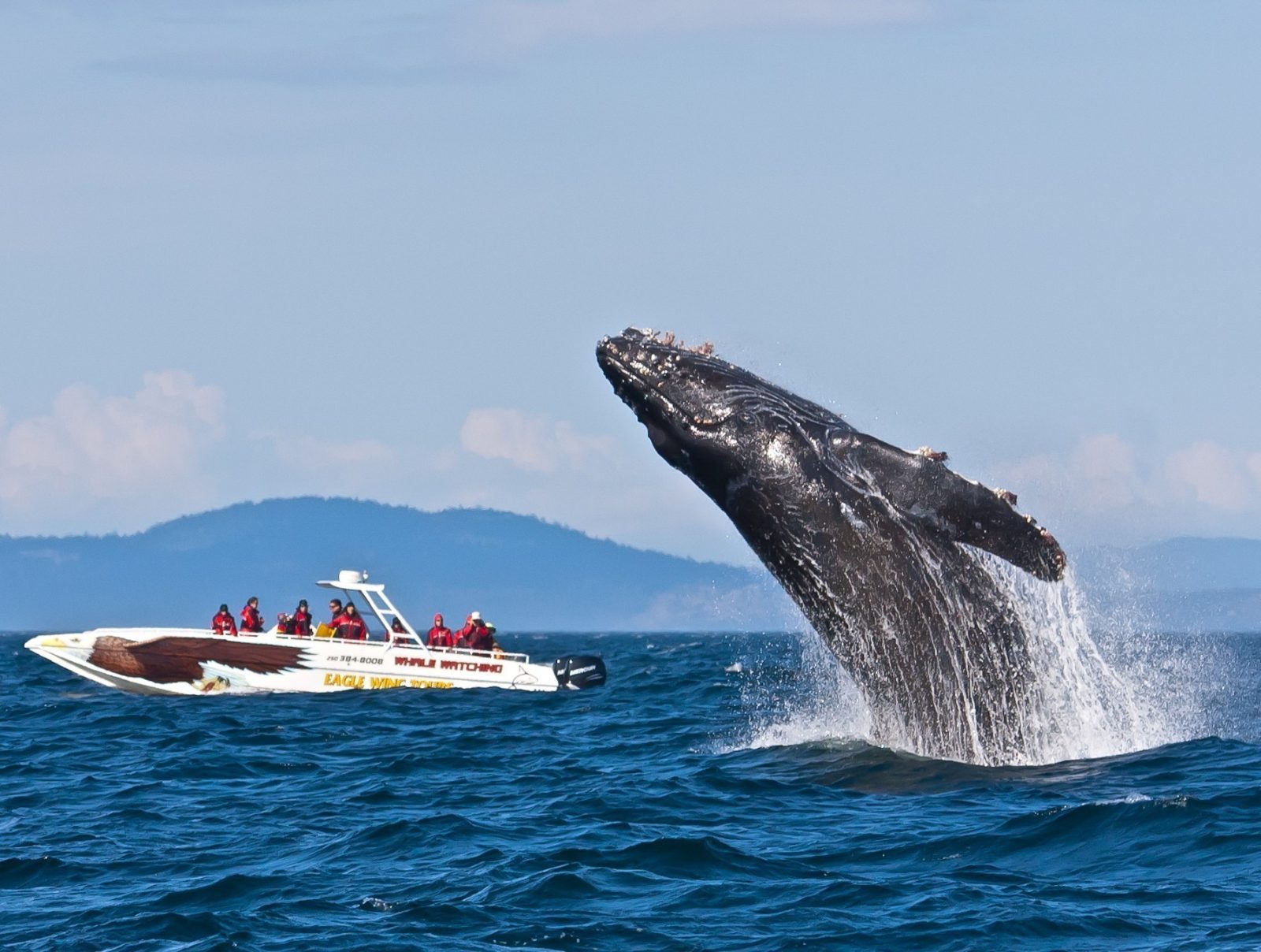
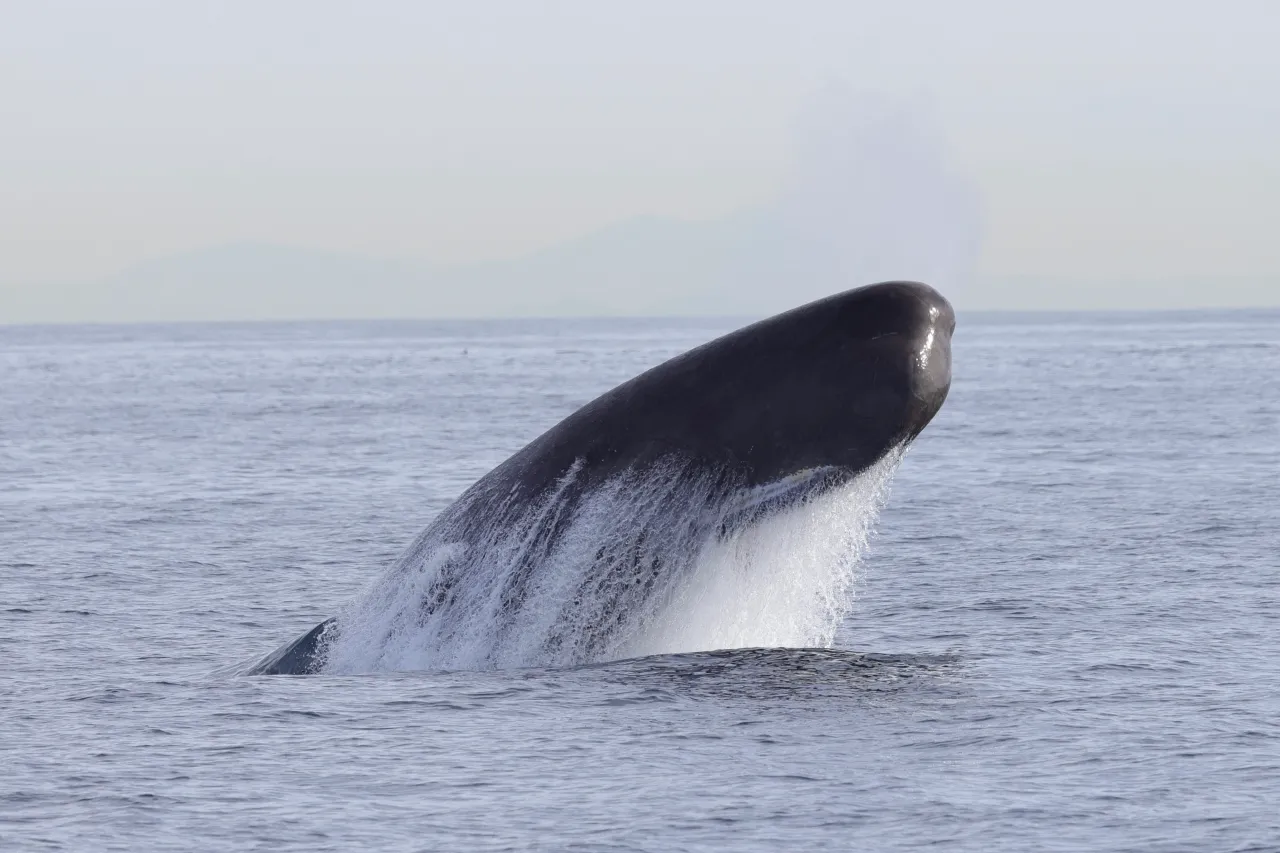
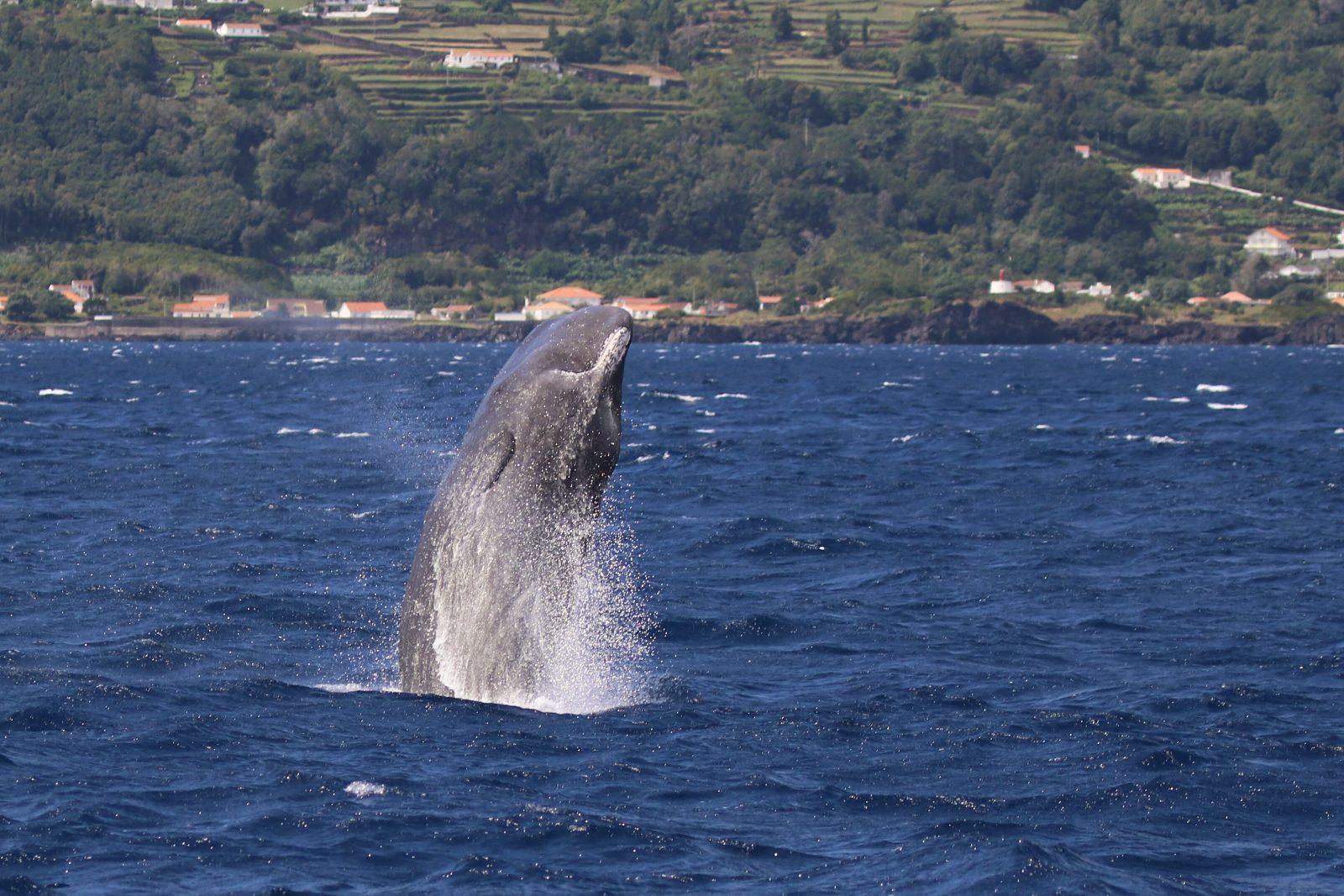
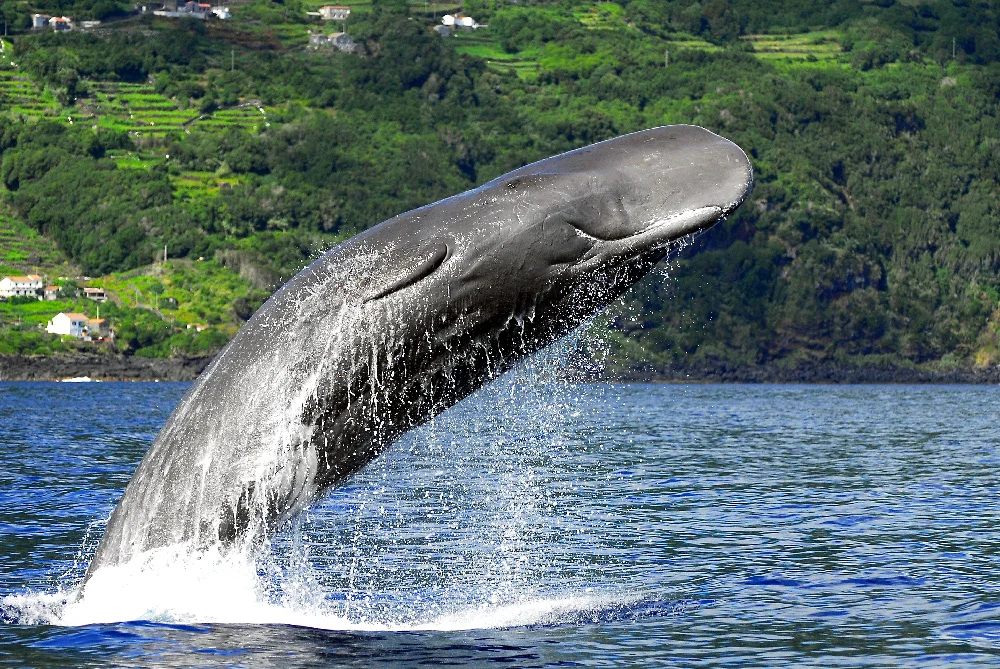
Twenty minutes offshore, the spotter radios coordinates for a sperm whale pod. The captain cuts the engine three hundred metres from the sighting zone and drifts closer under minimal power. A dark back breaks the surface ahead, the whale's blow venting moisture in a forward-angled plume. You photograph the distinctive bushy spout as the animal arches its back and raises its fluked tail vertically before descending. The guide explains the whale will dive for forty minutes, hunting squid at eight hundred metres depth. The boat repositions to intercept the surfacing, and you wait in silence, scanning the blue water. The whale breaches without warning, its massive head emerging ten metres from the pontoon before settling into a breathing sequence of four shallow dives.
All the details about your upcoming adventure in one place
The waters off Pico Island host twenty-four resident and migratory cetacean species, the highest concentration in the North Atlantic.
Sperm whales patrol the submarine canyon system that drops to three thousand metres less than five kilometres from shore, while bottlenose dolphins, Risso's dolphins, and Atlantic spotted dolphins frequent the shallower coastal shelf. Blue whales, fin whales, and sei whales pass through on seasonal migrations between Arctic feeding grounds and tropical breeding areas. This density of marine life drew American whaling fleets to the Azores in the eighteenth century, and Pico became the archipelago's whaling capital until the practice ended in 1987.
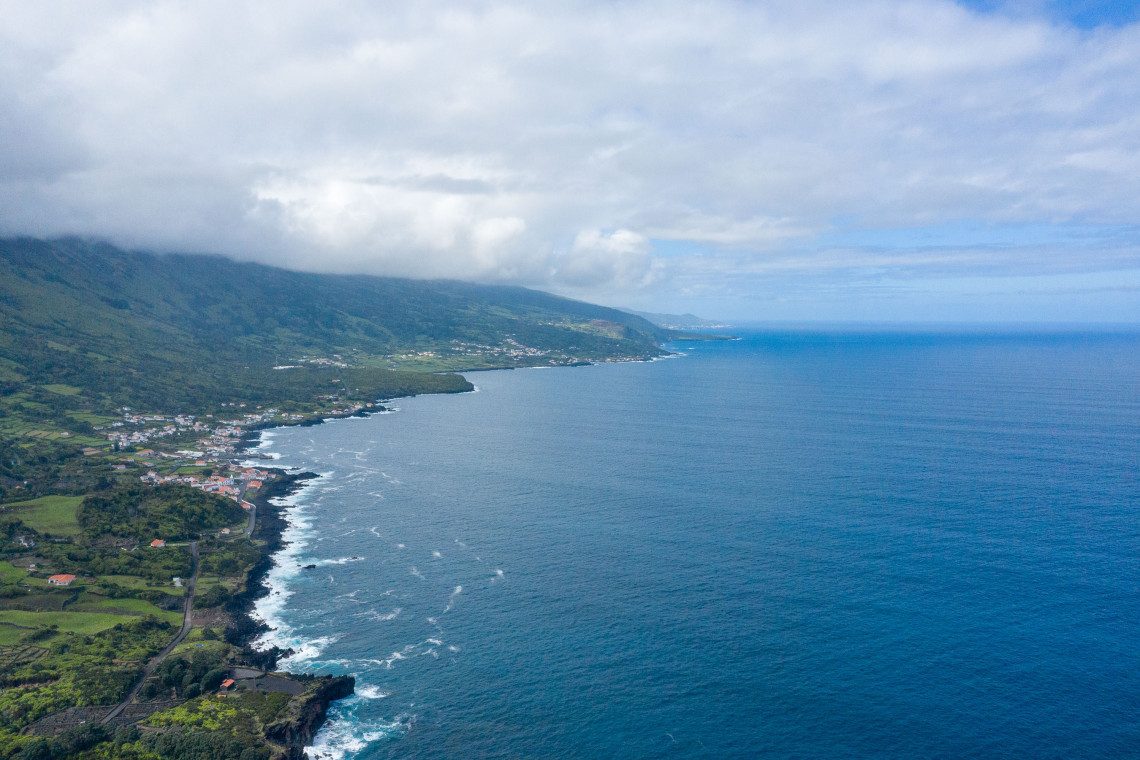
Madalena, the island's main port, sits on Pico's western coast facing Faial across a narrow channel. The marina serves as the primary departure point for whale watching operators, many of whom employ former whalers as spotters and guides. These vigia lookouts, positioned on clifftop stations around the island, communicate sightings to vessels via radio, directing boats to active feeding areas or surfacing pods. The tradition transforms colonial-era hunting infrastructure into conservation tools. Operators follow strict approach protocols established by the Azores regional government: vessels maintain fifty-metre distances from cetaceans, limit engine noise near resting pods, and restrict encounter duration to thirty minutes per group.
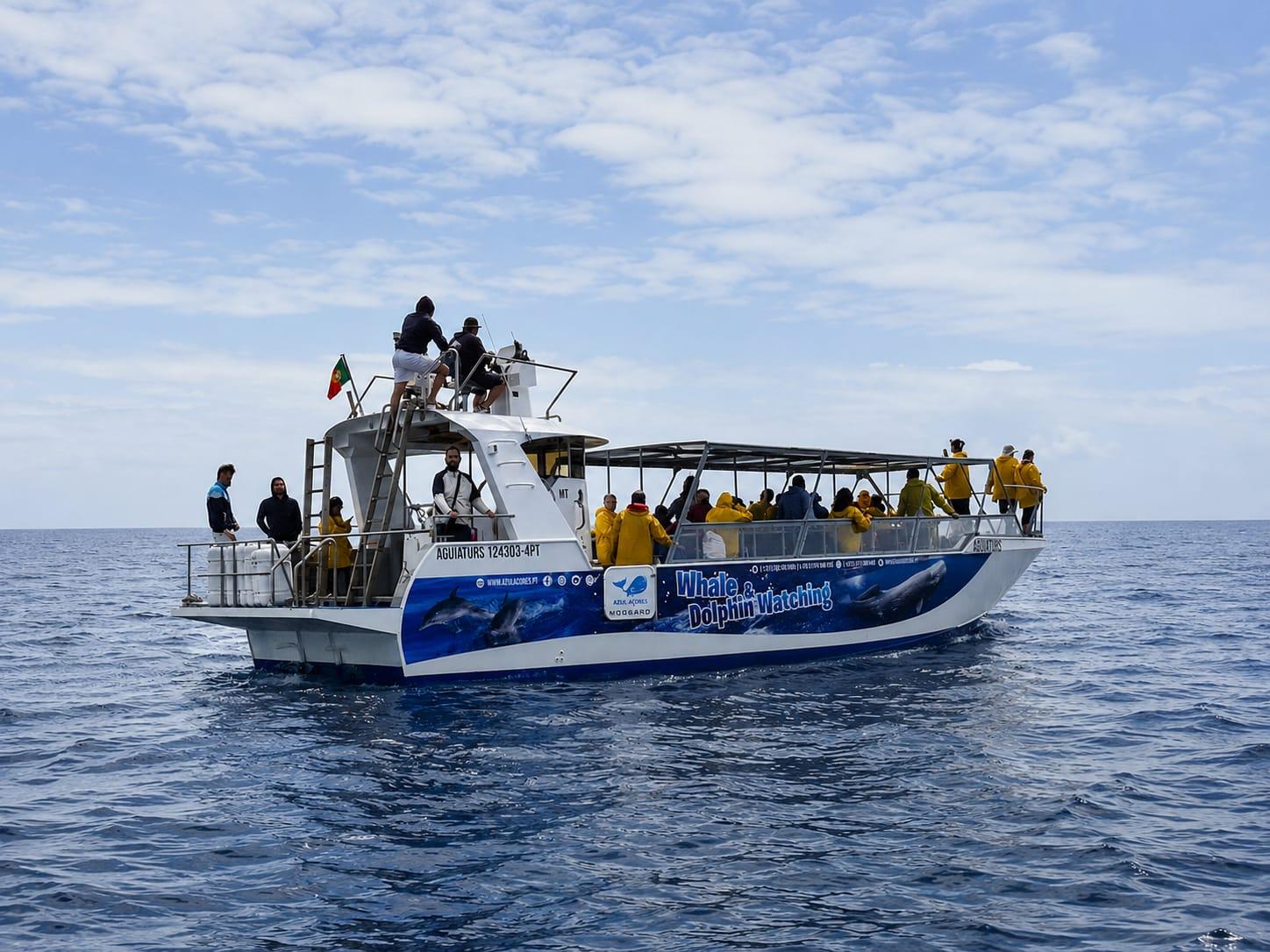
Pico whale watching madalena expeditions run year-round, with peak sighting windows from April through October when water temperatures rise and migratory species arrive. Sperm whales remain present in all months, diving for giant squid in the canyon depths and surfacing to breathe in predictable intervals. Morning departures between eight and noon benefit from calmer seas and better light for photography. Zodiac rigid inflatables seat eight to twelve passengers and reach sighting zones within twenty minutes, while larger motorboats accommodate thirty guests with enclosed cabins and bathrooms. Marine biologists accompany research-focused tours, collecting photo-identification data and hydrophone recordings that contribute to long-term population studies. The Instituto do Mar maintains a regional cetacean database tracking individual animals across decades, and visitors' photographs often provide critical migration and behavior documentation.

Former whalers now guide vessels to sperm whale feeding grounds, transforming hunting knowledge into conservation practice.
Wear comfortable, layered clothing suitable for sea spray and wind. Sturdy, non-slip footwear is recommended for walking on boat decks.
Only small, soft-sided backpacks are permitted on board. Large luggage is not allowed on the boats for safety reasons.
Photography is permitted and encouraged during pico whale watching madalena excursions. Ensure equipment is protected from salt water with a waterproof cover.
Children are welcome on pico whale watching madalena tours when accompanied by an adult. Life jackets are mandatory and provided for all children on board.
The marina office is accessible, but boat access depends on the specific vessel type and tide levels. Contact the office in advance for assistance with mobility equipment.
Bringing bottled water and small snacks is permitted. Consumption of alcohol is prohibited on all tours to ensure safety.
Opening Hours
08:00–20:00
Address
Marina da Madalena, 9950-305 Madalena, Pico Island, Azores, Portugal
Office Access
Ground level access at the marina
Best Arrival
08:30–13:30
Storage
Not available at the office
Navigation
Follow signs for Marina da Madalena
Car · Variable · Parking fees apply
Rental cars are available at Pico Airport and park near the marina.
Taxi · 20 min · Fixed pricing
Local taxis operate from the airport to the marina center.
Cancellations made at least 24 hours in advance receive a full refund. Tours canceled due to poor weather conditions are fully refundable at no cost.
Recommended time
4-5 hours
Plan for a half-day commitment when booking pico whale watching madalena, as this includes mandatory safety briefings and maritime transit. Arriving during the 08:30–13:30 window is highly recommended to secure the best sea conditions for your marine wildlife excursion. Securing pico whale watching madalena tickets in advance helps streamline check-in at the marina, while late afternoon slots may experience slightly higher demand as travelers wrap up their daily activities.
Crowd levels through the day
Weather · crowds · average price — dots go green to amber to red as each metric rises.
Moderate crowds with nutrient-rich waters attracting species.
Warmest weather, ideal for pico whale watching madalena tour departures.
Generally calmer seas in September and October for reliable trips.
Limited operations due to sea conditions; check ahead.
Reserve your pico whale watching madalena tickets at least one week ahead.
Take preventative measures 30 minutes before boarding your boat.
The ocean glare is strong; use high SPF sunscreen even on cloudy days.
Maintain distance from marine life as directed by the boat crew.
Pico Island's connection to whales runs deeper than tourism. For three centuries, sperm whales sustained the island's economy through a brutal extractive industry that peaked in the nineteenth century. American whalers first arrived in Azorean waters in 1765, recruiting Pico men as crew. By 1850, shore-based whaling stations lined Madalena's coast, processing blubber into lamp oil and rendering bone into corset stays. The vigia lookout towers still stand on volcanic ridges above the marina—stone sentinels where spotters once scanned the Atlantic for prey. The industry collapsed between 1973 and 1987 as petroleum replaced whale oil and international moratoriums took effect. Portugal banned commercial whaling in 1987, leaving Madalena's harpoon forges silent and its rendering vats cold. Former whalers faced economic extinction until marine biologists proposed a radical pivot. In 1989, the first experimental pico whale watching madalena tours launched from the same docks where hunt boats once moored. Skeptics doubted tourists would pay to observe animals previously valued only as cargo. The transformation accelerated after 1992 when the Azores declared a Marine Protected Area extending twelve nautical miles from shore. Sperm whale populations rebounded as commercial pressure ceased. By 2001, twenty-four species of cetaceans—including blue whales, dolphins, and beaked whales—had been documented in Pico's waters, making Madalena one of Europe's most biodiverse whale habitats. The former hunters became guides, translating generations of knowledge about migration corridors and feeding grounds into conservation-focused expeditions. Today the Marina da Madalena operates year-round whale watching tours that depart between 08:00 and 20:00. The spotter towers function as research stations. The rendering buildings house marine education centers. Whaling harpoons hang in museum displays alongside hydrophones and satellite tracking data. The economic model inverted—living whales now generate more revenue than dead ones ever did.
American whaling ships begin recruiting Azorean crew in Pico waters.
Shore-based whaling stations proliferate along Madalena's coastline, processing sperm whale blubber into lamp oil.
Portugal enacts a national ban on commercial whaling, ending three centuries of industry.
Former whalers launch experimental whale watching excursions from Madalena marina.
Azores government establishes Marine Protected Area, granting legal safeguards to cetacean populations.
Marine biologists document twenty-four cetacean species in Pico's territorial waters, confirming the archipelago's status as a global biodiversity hotspot.
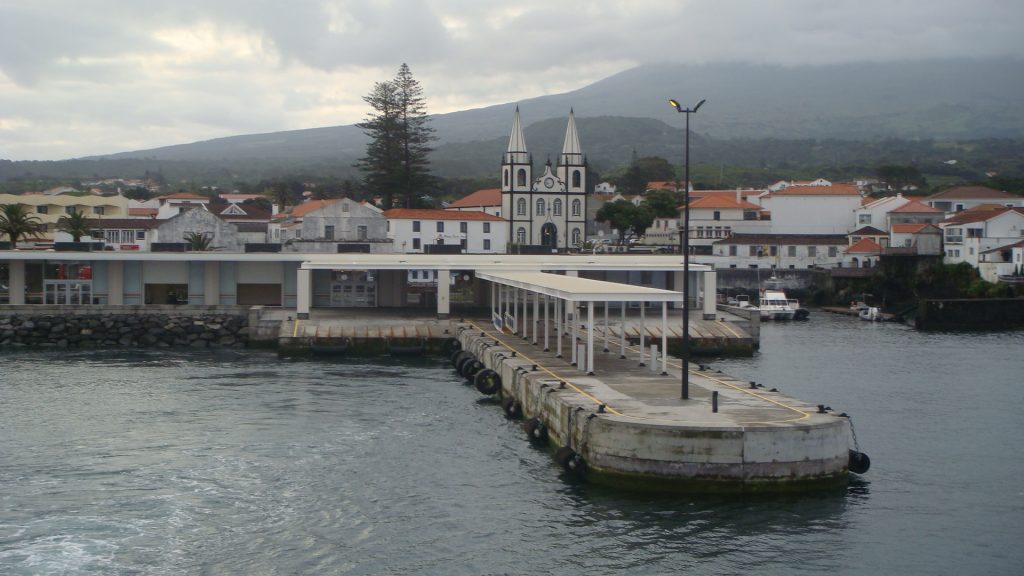
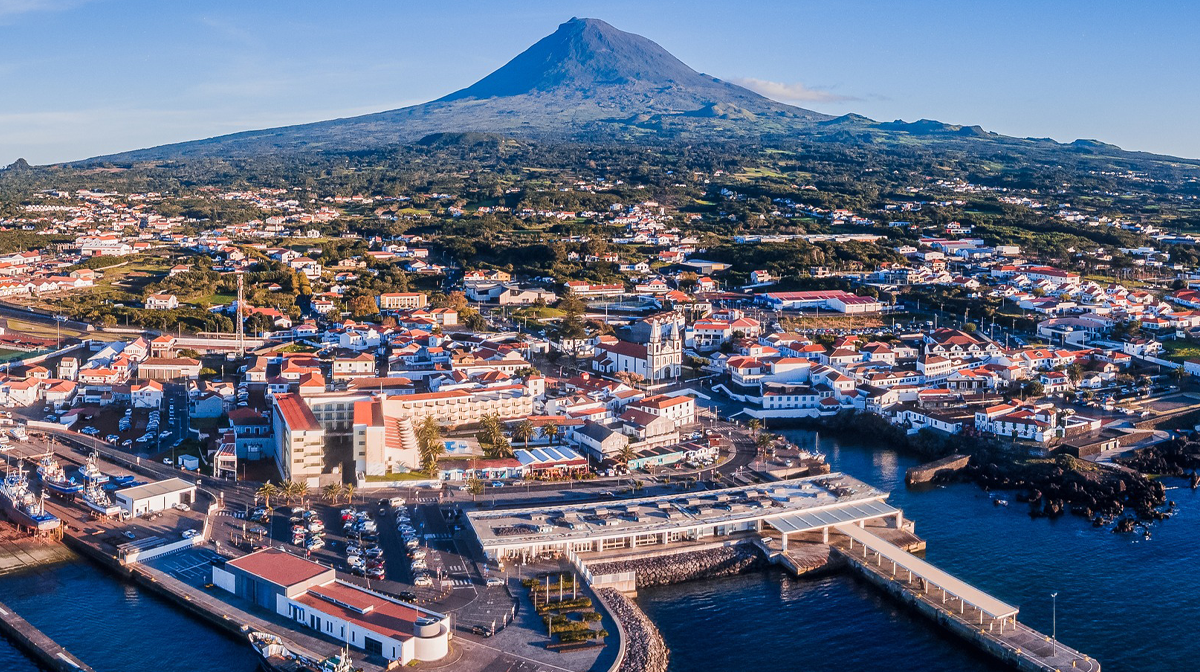
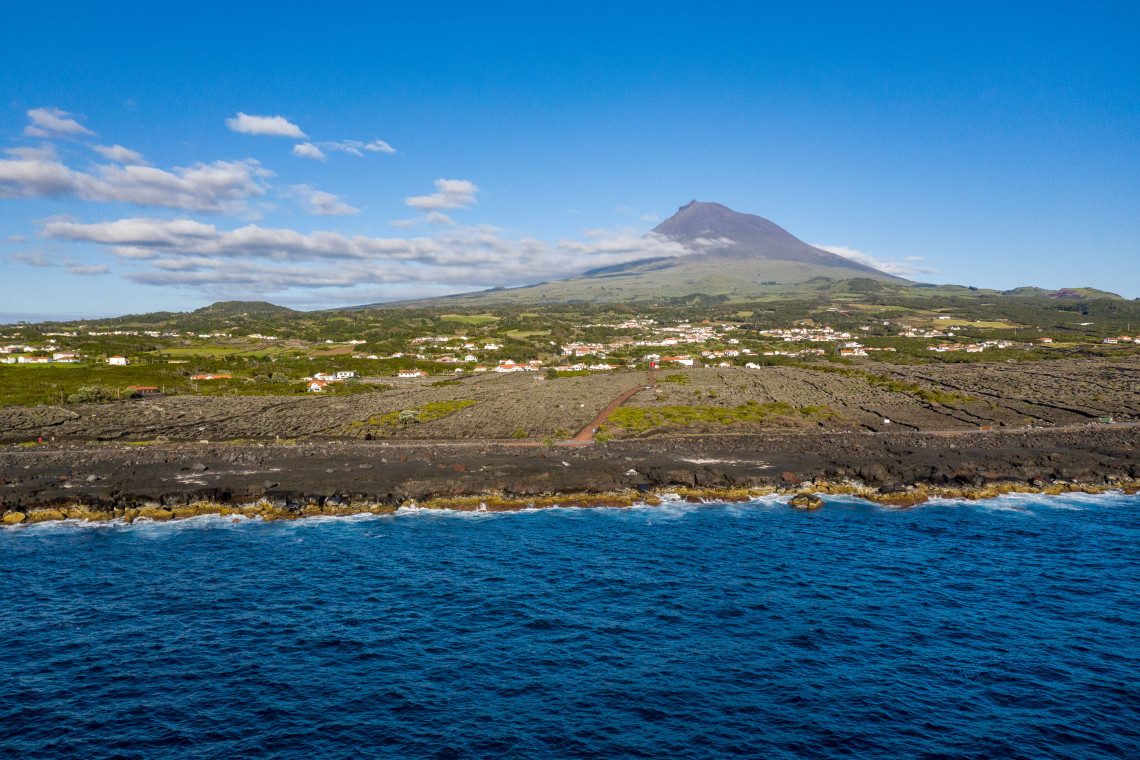
Position yourself at the end of the pier to capture the iconic silhouette of Mount Pico rising behind departing vessels. This is the primary departure point for a pico whale watching madalena excursion.
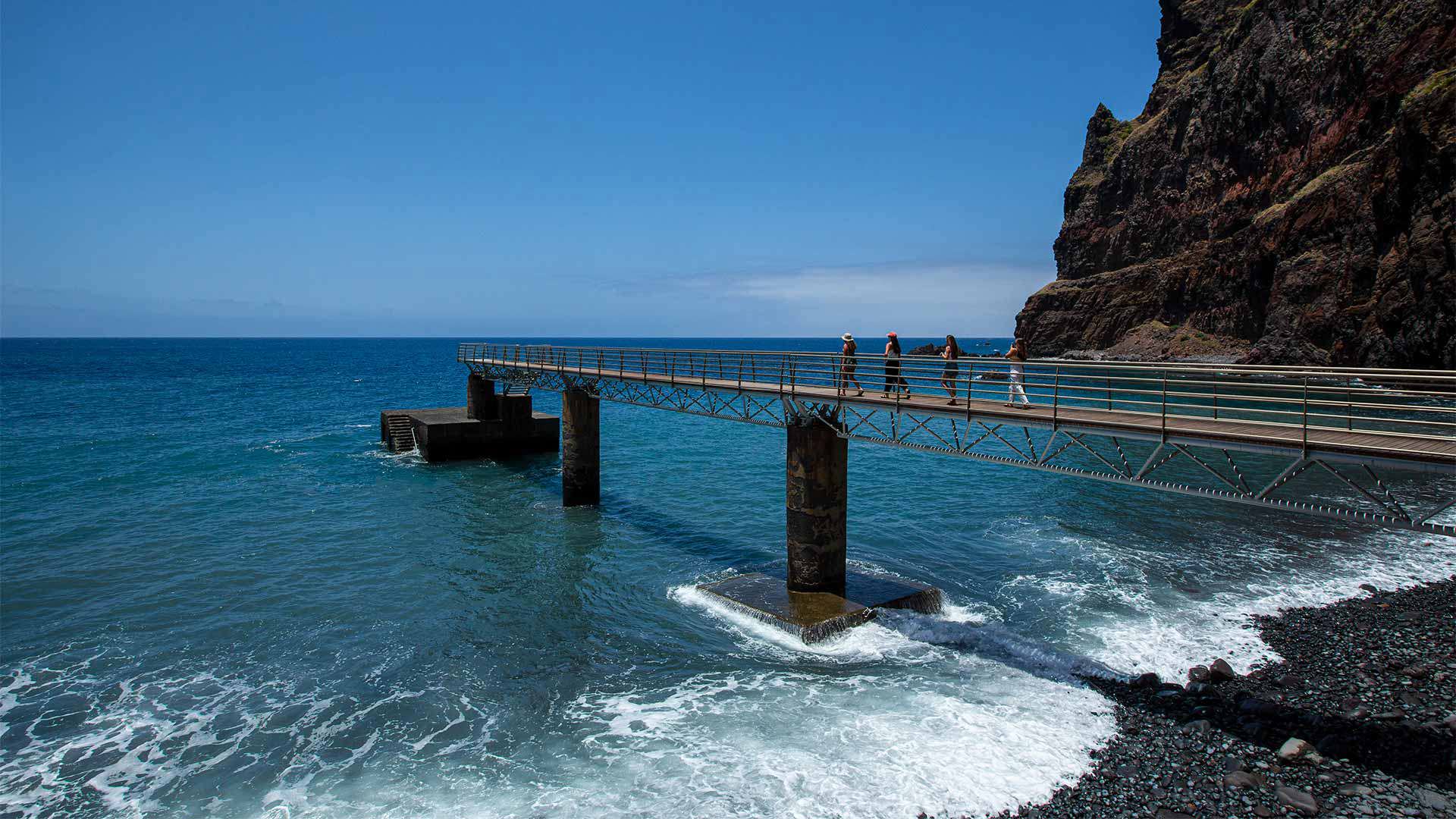
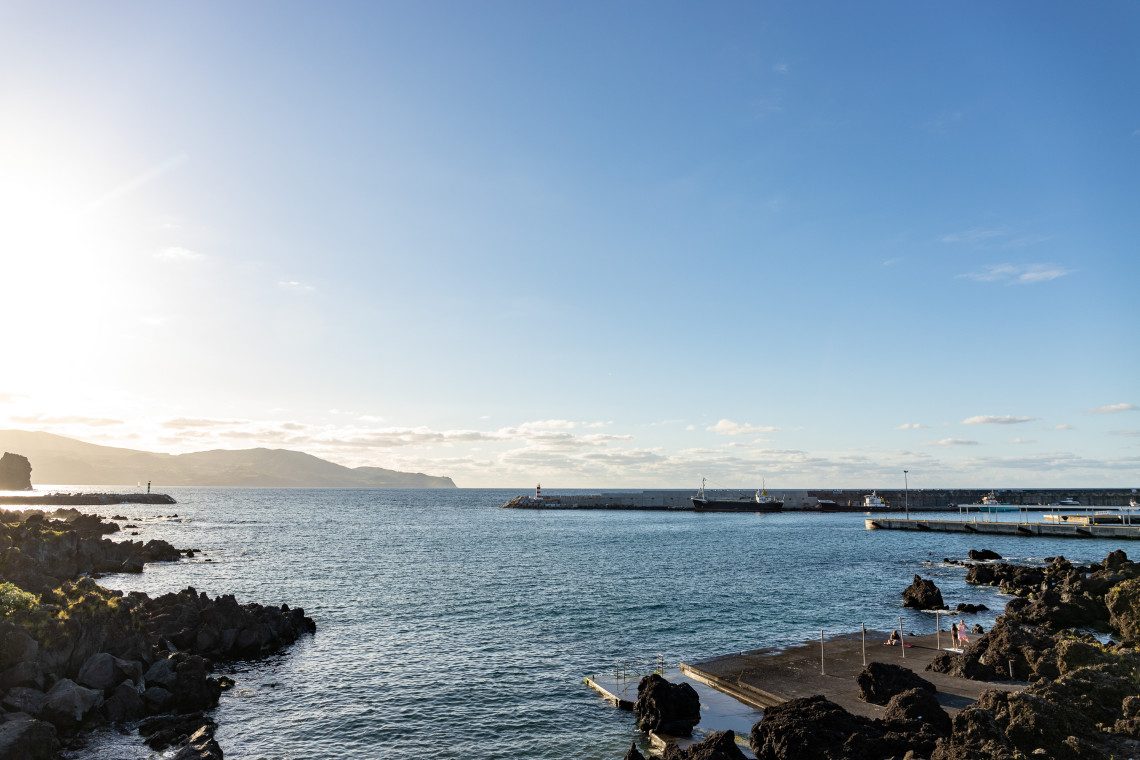
Stand near the harbor edge to photograph the contrast between the dark volcanic basalt rocks and the turquoise Atlantic water. This location is ideal for capturing pico whale watching madalena tours as they navigate the channel.
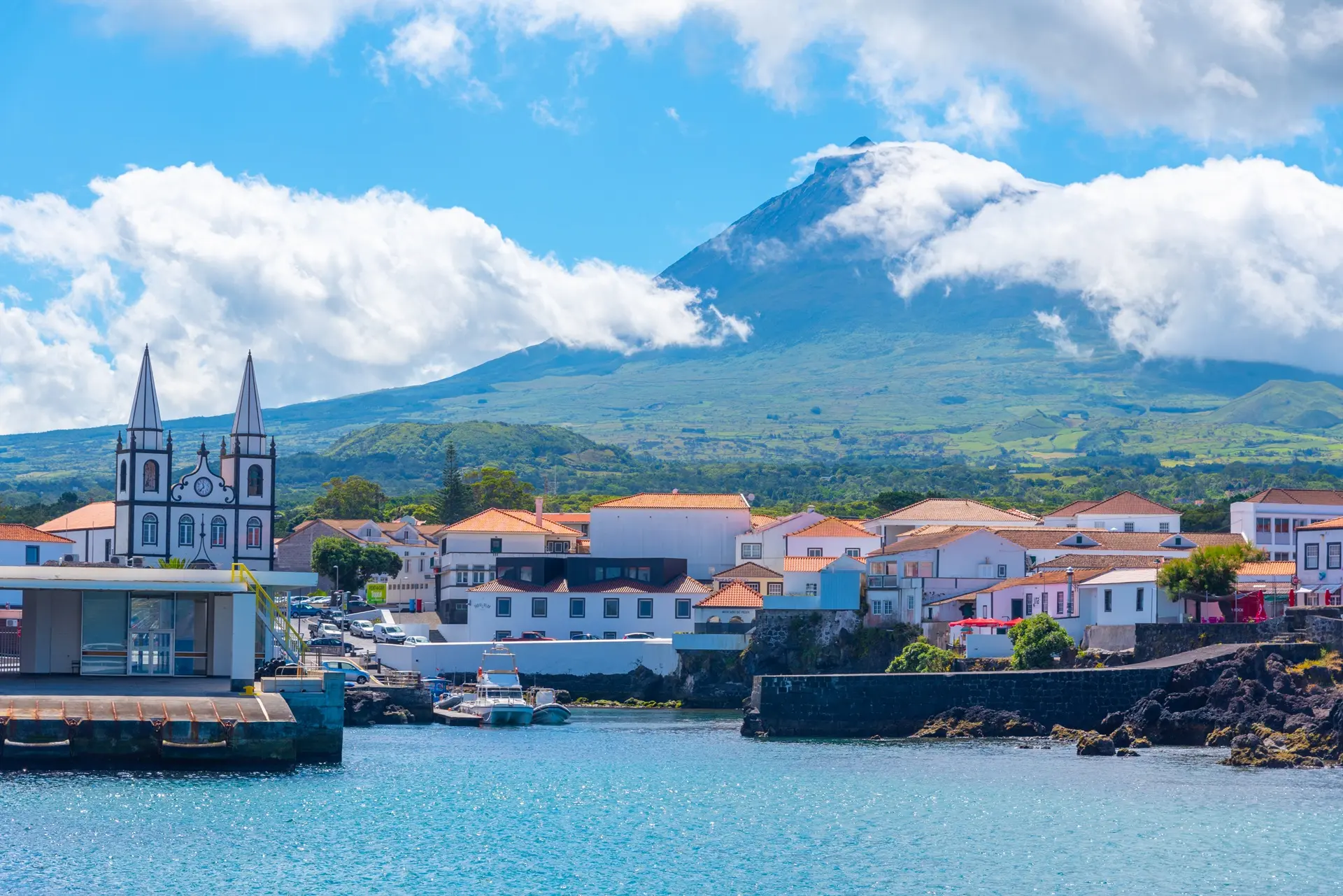
Walk along the waterfront path to frame the town's white-washed architecture against the dramatic ocean backdrop. This vantage point offers a steady platform for those seeking pico whale watching madalena tickets while observing the maritime activity.
Follow the trail heading north from the marina for a wide-angle shot of the coastline featuring jagged lava formations. It provides a unique perspective of the marine environment often explored during a pico whale watching madalena tour.
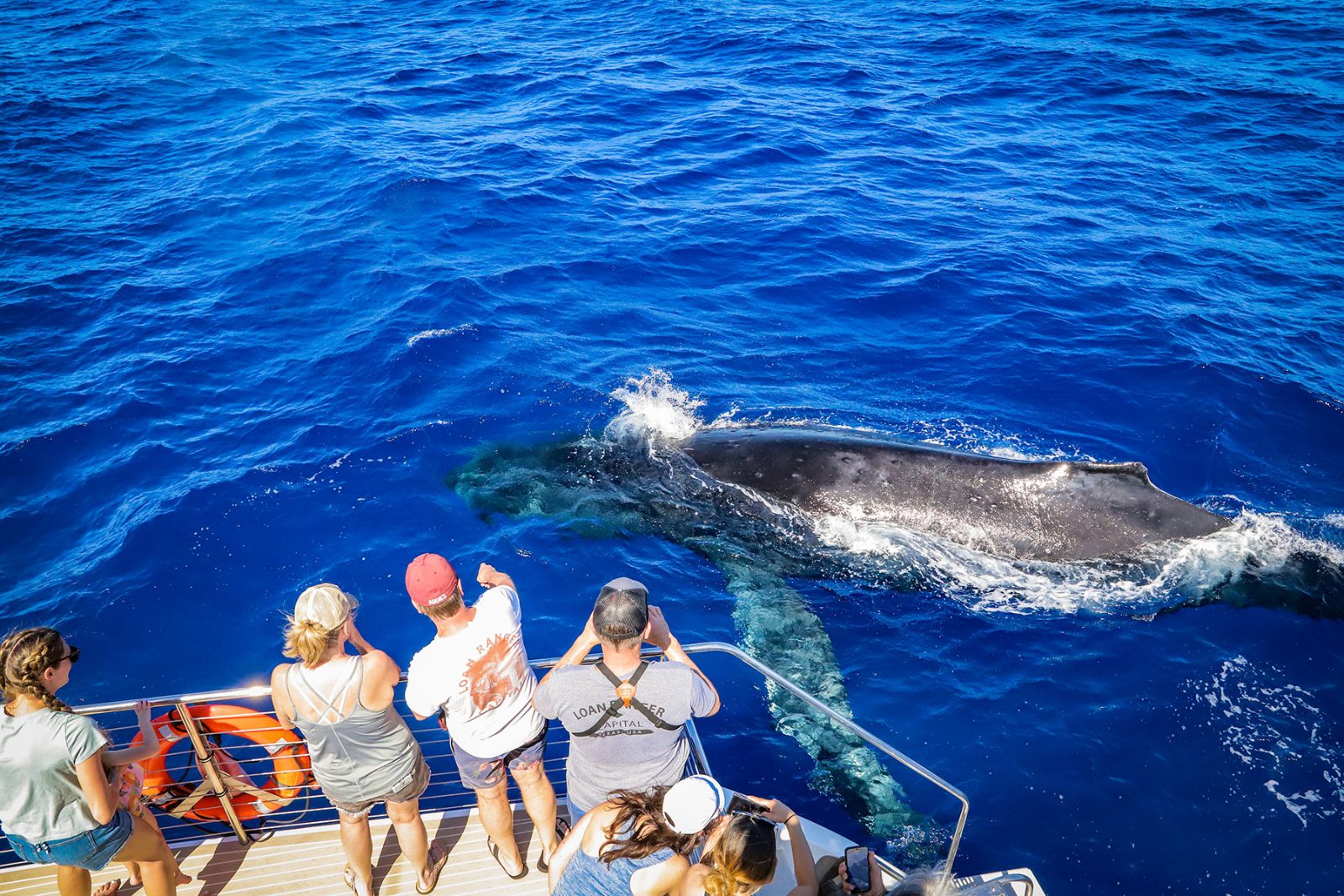
Exploring the Atlantic by boat provides a unique educational opportunity for children to observe marine life in their natural habitat. Planning a pico whale watching madalena excursion allows families to witness species like sperm whales and dolphins while learning from expert biologists.
For safety reasons, boat tours are generally unsuitable for children under 3 years old, and pregnant women or individuals with back conditions should avoid these trips.
While Pico is a fantastic destination for families, whale watching tours are most recommended for children aged 5 and up.
You can secure pico whale watching madalena tickets directly through the official site or visit the marina office, which is open daily from 08:00–20:00.
Aim to schedule your pico whale watching madalena tour during the best arrival window of 08:30–13:30, as sea conditions are typically calmer with better visibility for sightings.
The marina itself is free to enter, providing a central hub where you can finalize your plans before heading out for a nautical adventure.
Beyond the boat trip, these tours often include briefings by marine biologists who help children understand the local ecosystem and cetacean behaviors.
Visitors planning a trip near pico whale watching madalena will find several convenient dining options within a short walk of the marina. Whether you are looking for a quick espresso before boarding your marine wildlife excursion or a hearty meal after returning to the harbor, the waterfront streets offer plenty of local flavor.
This iconic architectural landmark offers petiscos and local wine with ocean views. It is a popular spot for those seeking a relaxed atmosphere after their pico whale watching madalena tour.
Everything you need to know for your journey
The office is open daily from 08:00–20:00.
There is 0 EUR entrance fee for the office; boat tour prices apply for whale watching.
The best arrival window for pico whale watching madalena is 08:30–13:30 when conditions are calm.
Yes, children are welcome on these tours with an adult.
You may bring water and small snacks on your tour, but alcohol is prohibited.
Yes, booking your pico whale watching madalena tickets early is recommended to secure a spot.
Tours canceled due to weather are fully refundable.
Public parking is available near the Marina da Madalena.
Yes, you are encouraged to bring cameras for your tour.
Exhibits on local viticulture and UNESCO heritage sites.
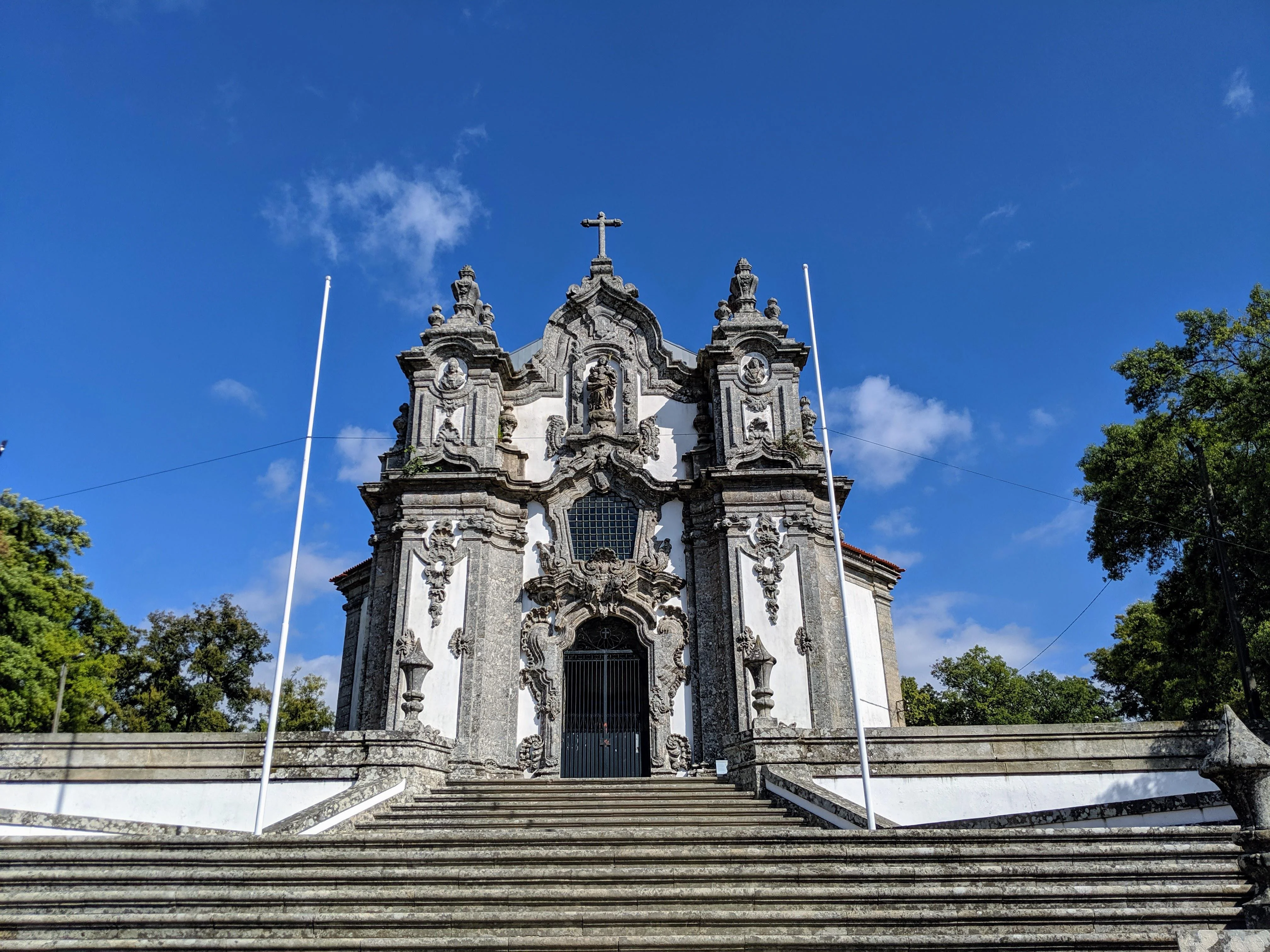
Historic religious architecture in the center of town.
Conveniently located near the harbor for tour departures.
Traditional architecture with modern amenities.
Join thousands of happy travelers who have discovered this incredible experience
Book Your Experience Now