3 hr
Whale Watching Adventure in Pico Island
- Entry ticket
- Mobile voucher
- Valid same day
- Free cancellation
Pico Whale Watching Tour — Sperm Whale Encounters
Morning departures from Lajes and Madalena, marine biologists aboard
Compare fares, pick the fit — all bookings are mobile-voucher and eligible for free cancellation where shown.
3 hr
2 hr 30 min
3 hr
Selecting the right pico whale watching tour depends on your schedule, with options ranging from individual sea excursions to immersive multi-day packages. Each experience leverages local vigia lookout towers and marine biologist expertise to provide a responsible encounter with cetaceans in the Atlantic.
|
Top pick Single Sea Trip Classic 3-hour excursion |
Weekly Sea Package 7-day marine immersion | Land & Sea Package Outdoor and whale focus | |
|---|---|---|---|
| Duration | 3 hours | 7 days | 7 days |
| Sea Excursions | 1 trip | 5 trips | 2 trips |
| Accommodation | — | Included | Included |
| Museum Access | Museu dos Baleeiros | Museu dos Baleeiros | Museu dos Baleeiros |
| Guided Talks | Pre-trip briefing | Evening presentations | 3 non-guided hikes |
| Best for | Day trippers | Dedicated enthusiasts | Outdoor lovers |
| See tickets & prices |
Verdict: For a standard encounter, the classic pico whale watching tour is the ideal choice, while those seeking in-depth research or land-based adventures should consider our bundled packages.
Worth it for marine life enthusiasts
A pico whale watching tour delivers exceptional value through access to one of the Atlantic's richest cetacean corridors, where 24 species have been documented in Azorean waters. Marine biologists accompany most expeditions, transforming sightings into educational encounters rather than passive observation. The conservation model matters: operators like Espaço Talassa contribute data to research programs tracking migration patterns and population health. Sighting probability runs above 90% during peak months, with sperm whales, dolphins, and seasonal baleen whales frequently encountered. Tours operate from Lajes do Pico and Madalena harbours, with morning departures capturing calmer sea conditions and more active cetacean behavior. The pico whale watching tour tickets include safety briefing and hydrophone listening when conditions allow. For visitors prioritizing wildlife observation over summit hikes or lava formations, the marine research component justifies the investment—you're funding science while witnessing apex predators in their hunting grounds.
Bottom line: The combination of high sighting probability, scientific expertise, and conservation impact makes pico whale watching tour tours a defensible spend for anyone drawn to marine mammals.
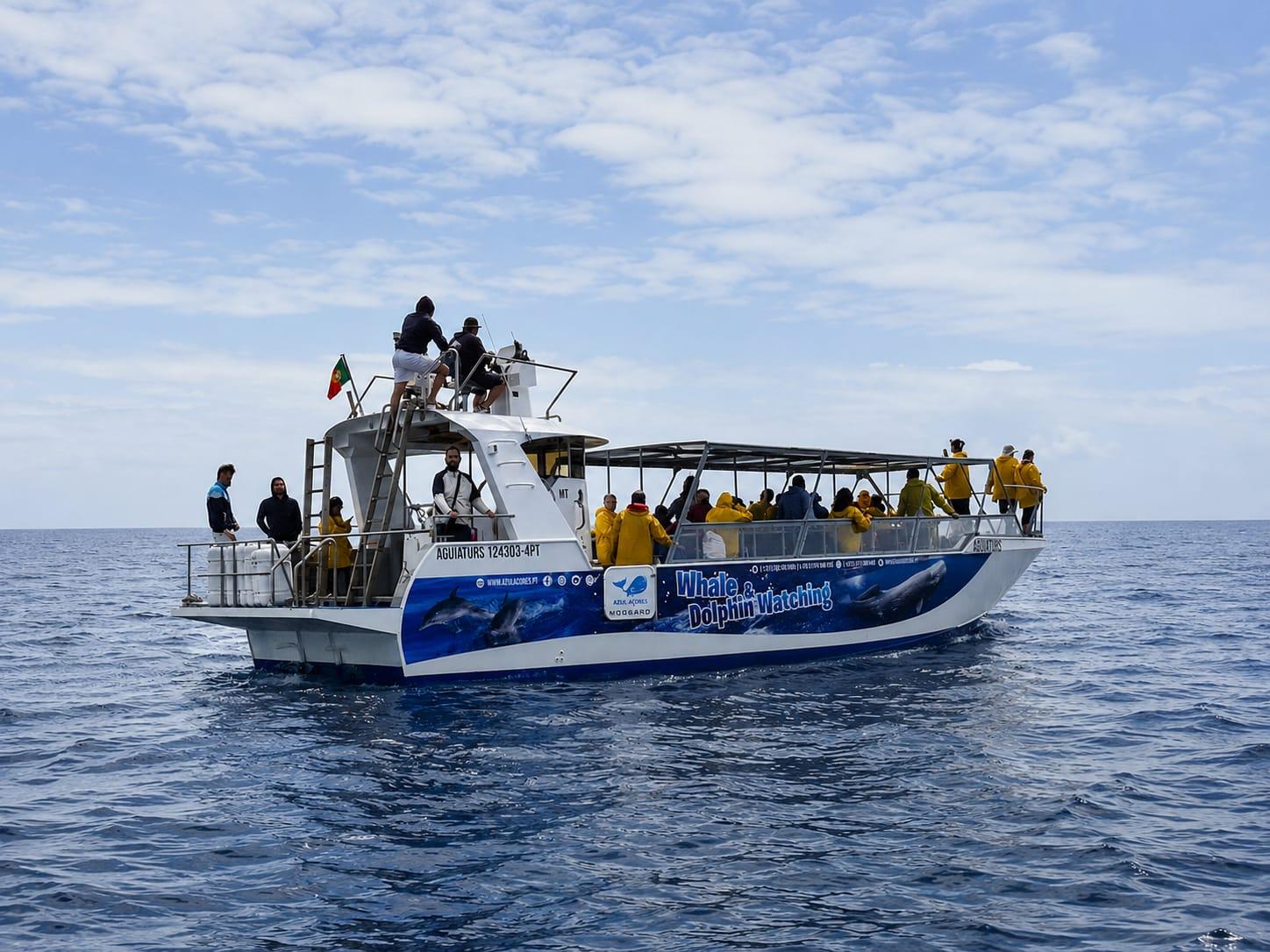
They serve different purposes, but most visitors who prioritize active marine engagement find the boat-based pico whale watching tour the more thrilling option. While the shore-based vigilante stations offer historical context, the nautical excursion provides direct contact with the Atlantic ecosystem.
|
Top pick Pico Whale Watching Tour |
Whale Lookout Experience | |
|---|---|---|
| Method of observation | Zodiac or catamaran vessel | Land-based vigia lookout station |
| Proximity to wildlife | Close range observation | Distant telescopic view |
| Motion sickness risk | Moderate to high | None |
| Environmental impact | Low (regulated activity) | Minimal (passive observation) |
| Physical accessibility | Requires boarding agility | Accessible to most locations |
| See tickets & prices |
Verdict: Choose the boat-based pico whale watching tour tours for intimate marine encounters, or opt for the lookout experience to study cetacean migration from a stable, historical vantage point when securing your pico whale watching tour tickets for your Azores itinerary.
Hand-picked experiences loved by thousands of travelers
8 hours
Free Cancellation
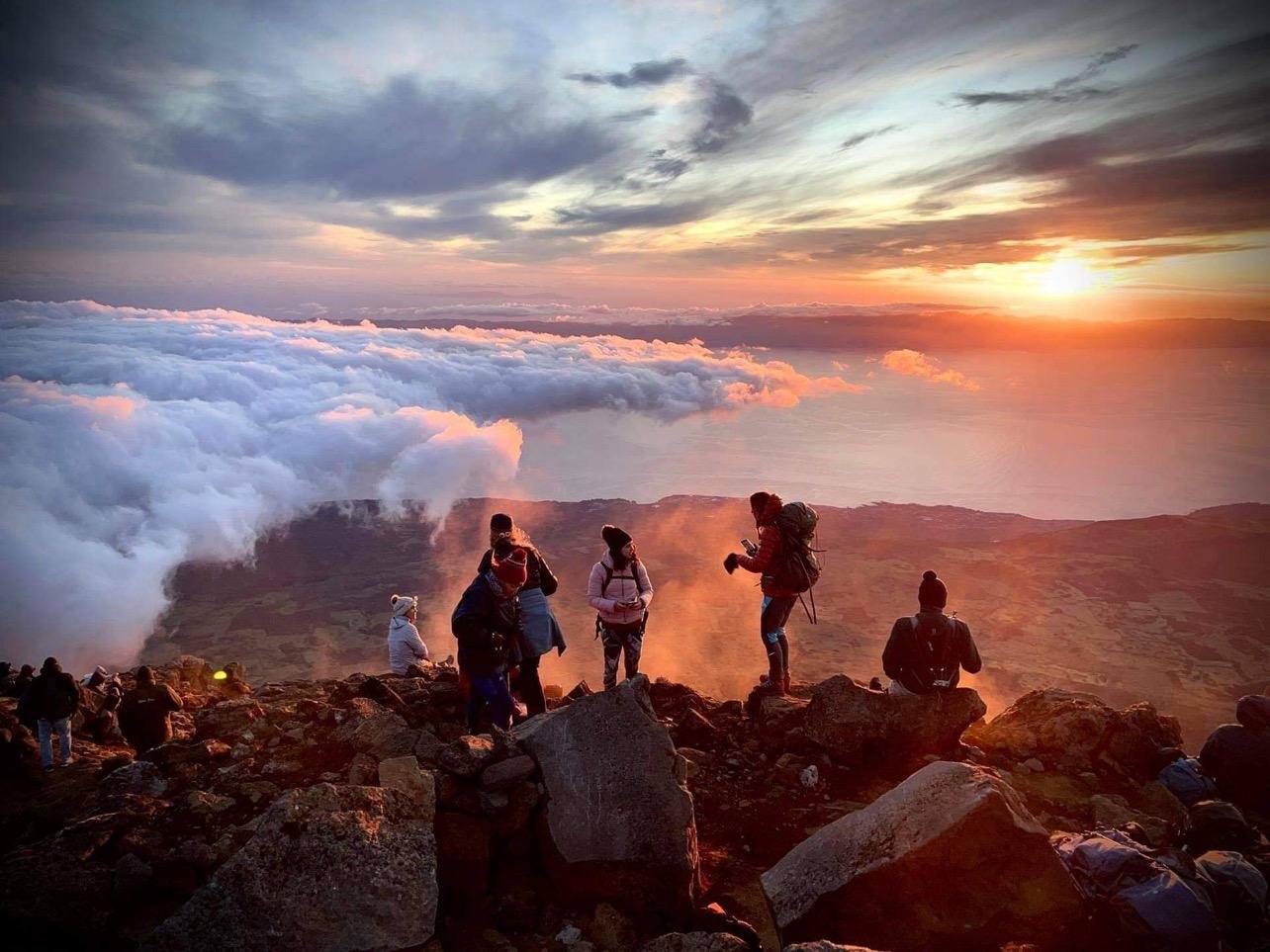
Conquer Portugal's tallest summit on this demanding full-day trek with certified mountain guides
4 hours
Free Cancellation
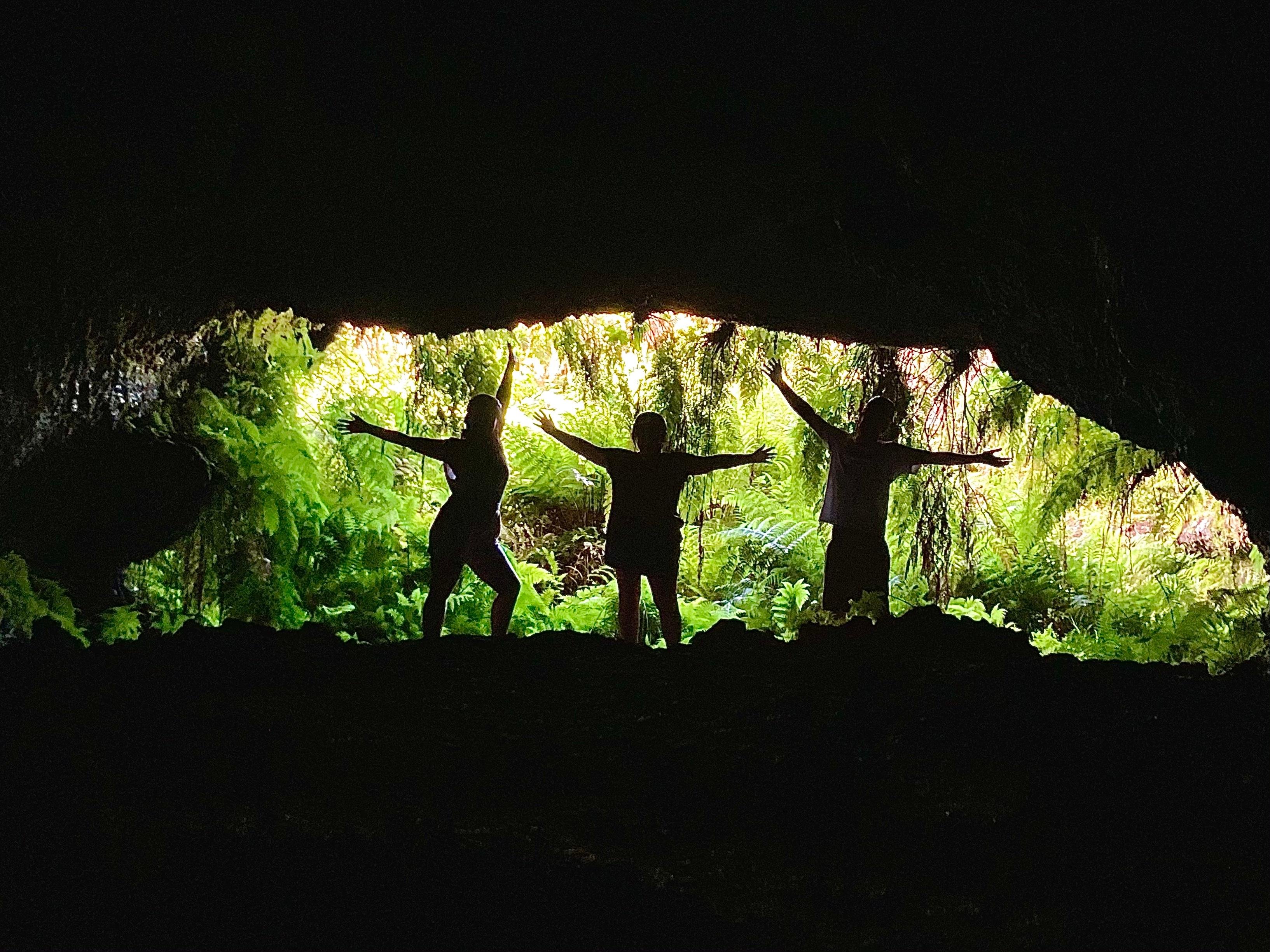
Journey through volcanic lagoons and descend into underground lava caves on this half-day adventure
8-10 hours
Free Cancellation
Conquer Portugal's tallest mountain on this guided volcanic climb with breathtaking island panoramas
2.5 hours
Free Cancellation
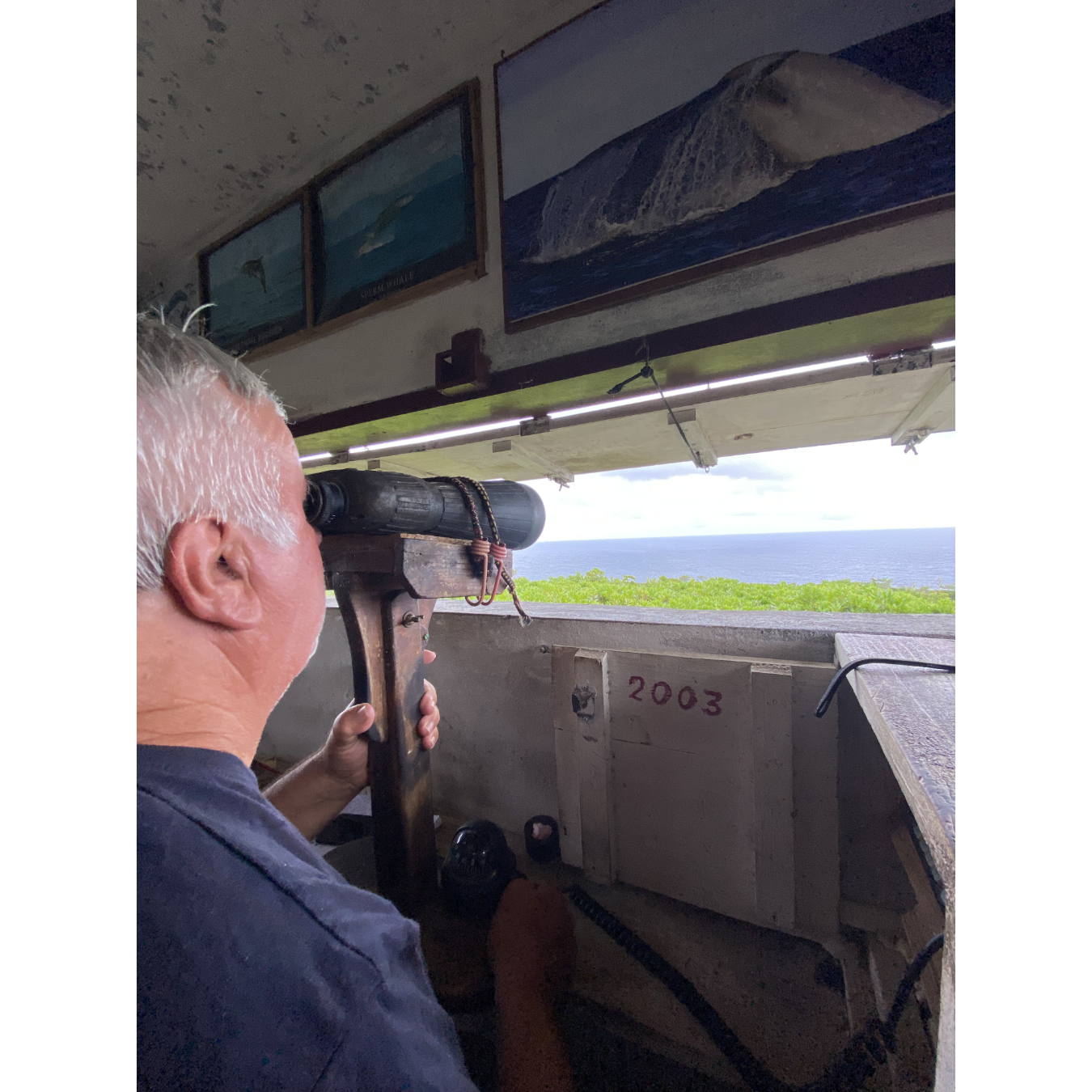
Visit an authentic ocean observation post and meet the spotter who tracks marine life daily
2 hours
Free Cancellation
Explore Atlantic waters and lava rock formations while spotting octopuses, rays, and groupers with an expert guide
1.5 hours
Free Cancellation
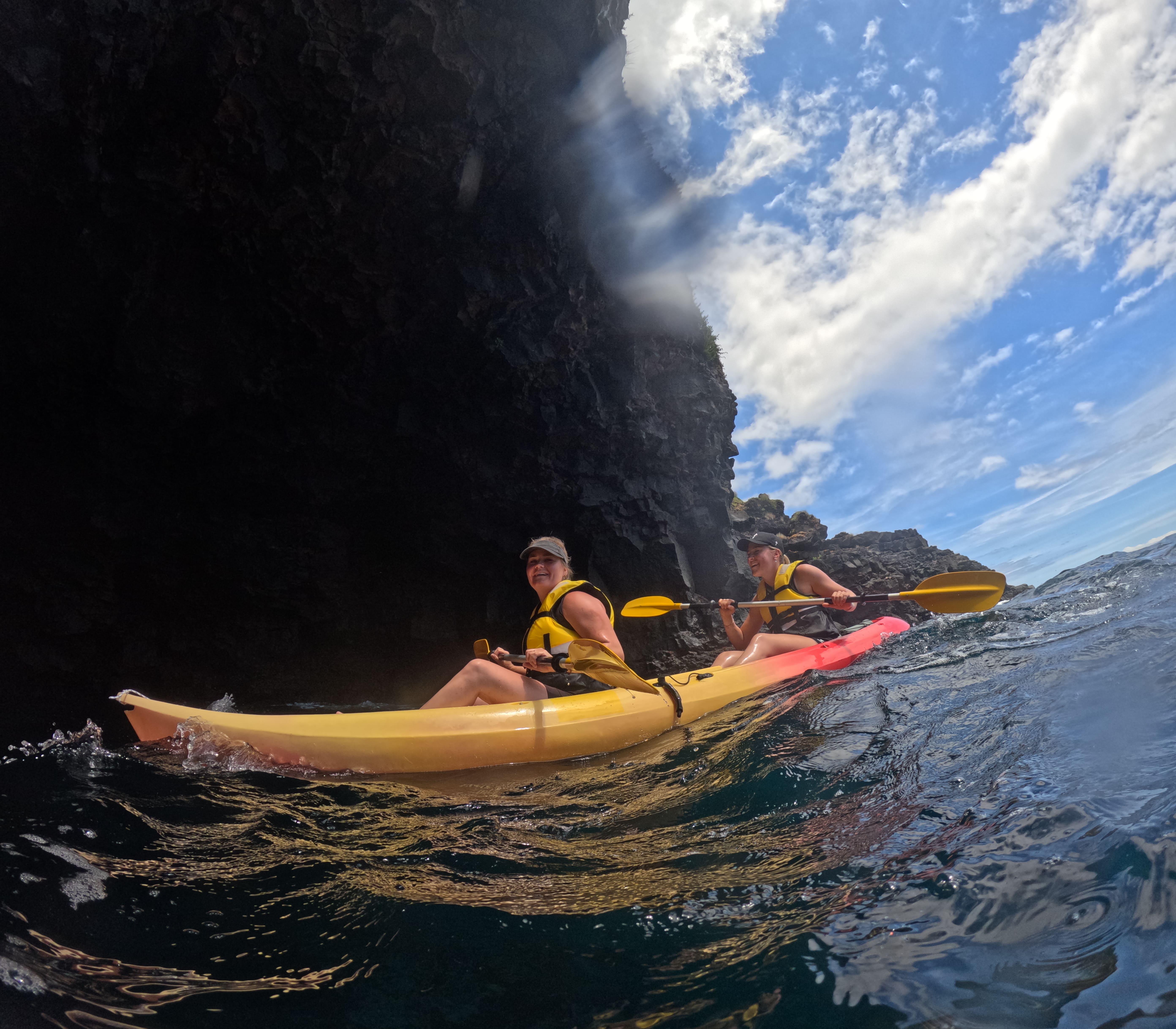
Paddle through volcanic caves and lava formations along Pico's dramatic Atlantic shoreline
4 hours
Free Cancellation
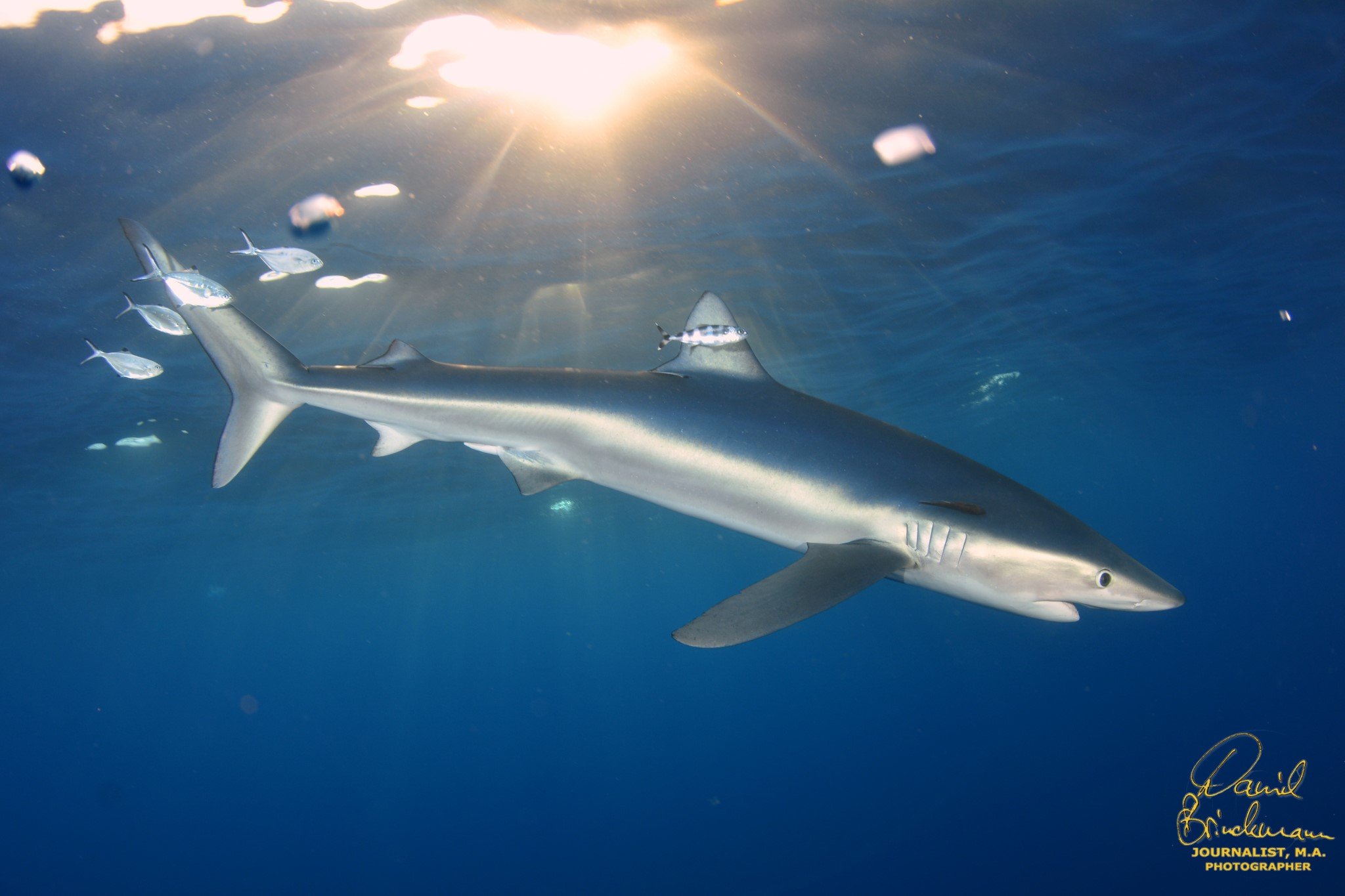
Dive into Atlantic waters for an unforgettable encounter with blue sharks guided by a marine biologist
2 hours
Free Cancellation
Transform your airport or port arrival into a personalized scenic journey across volcanic terrain.
Arrival at the booking office to confirm registration
Instruction on marine life observation etiquette and vessel safety
Excursion begins from the harbour to the open Atlantic
Searching for cetaceans with expert local guides
Provides a vantage point to watch boats depart and return to the island coast.
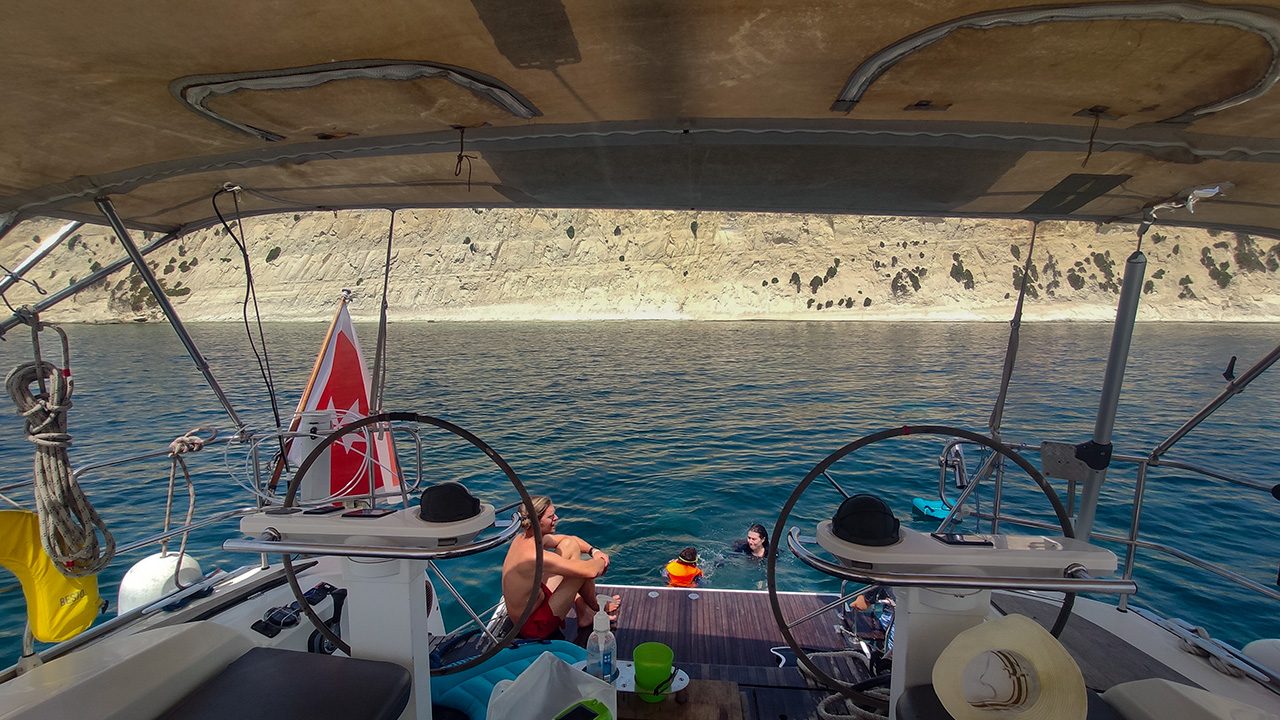
Primary zone on the boat where guests look for whales and dolphins.
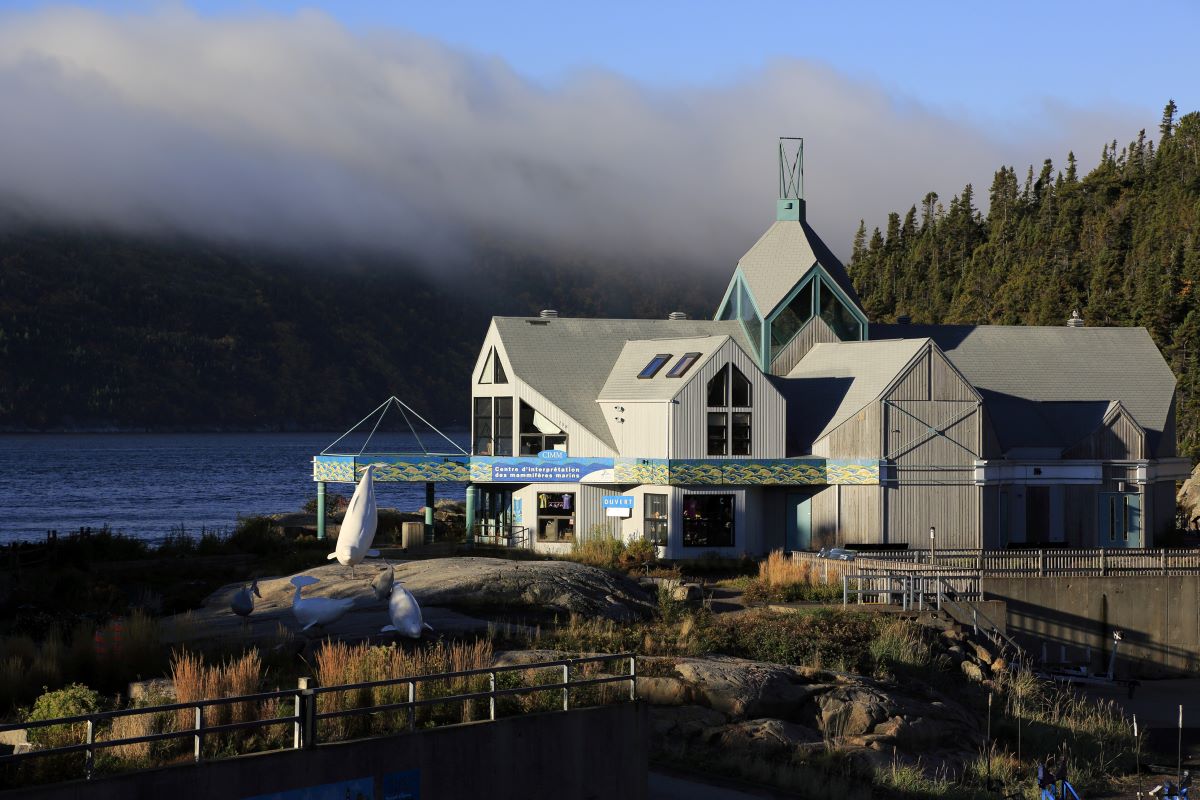
Features informational displays on the cetaceans found in the Azores.
The designated start point for every pico whale watching tour excursion.
Area where gear and life vests are fitted before boarding.
You board the rigid inflatable at Lajes harbour shortly after eight-thirty, when the Atlantic still holds overnight calm. The marine biologist briefs you on current sightings—a pod of sperm whales logged six nautical miles southwest at dawn—then demonstrates the hydrophone system.
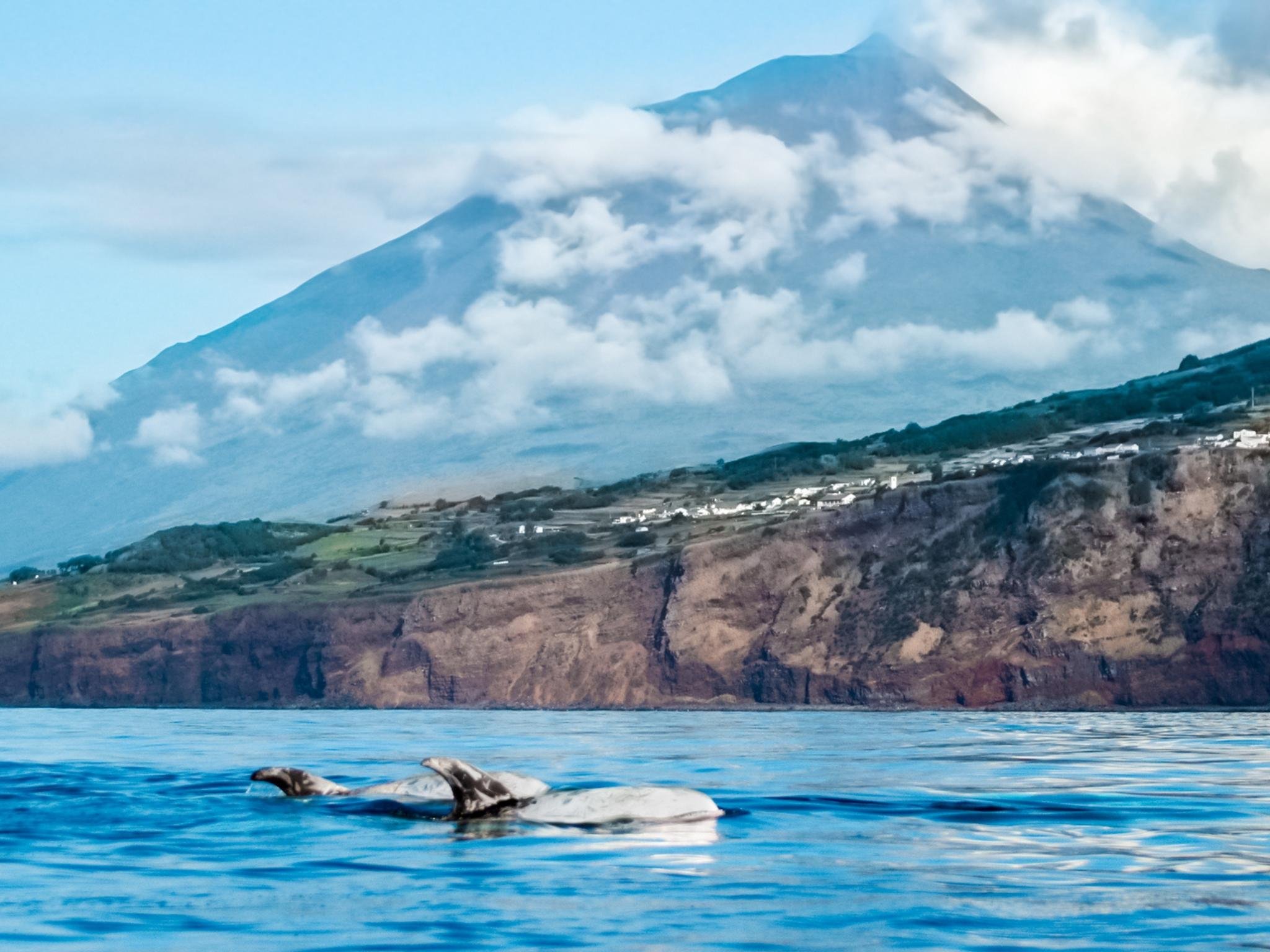
The boat clears the breakwater and accelerates, Mount Pico's summit catching first light behind you.
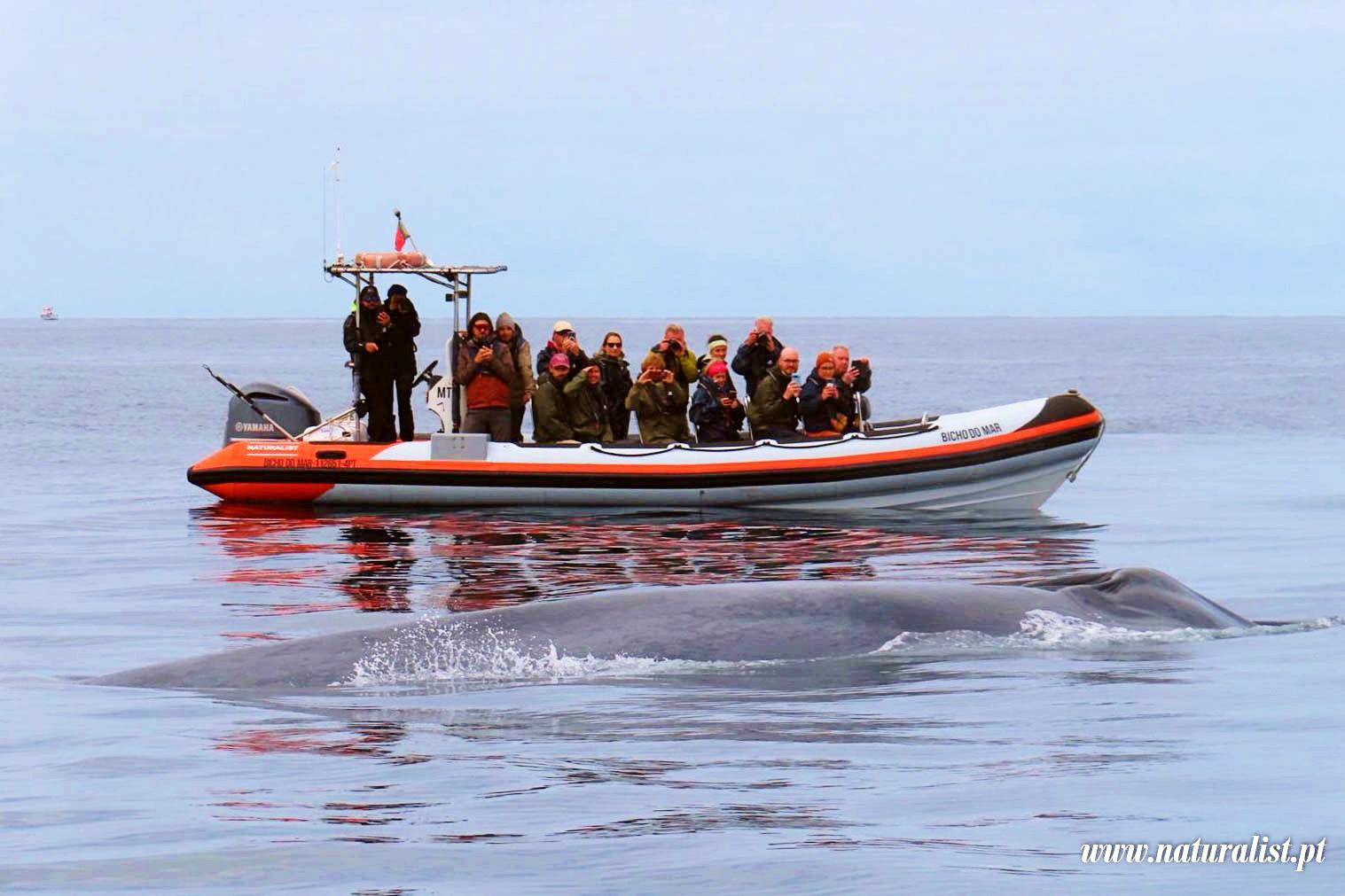
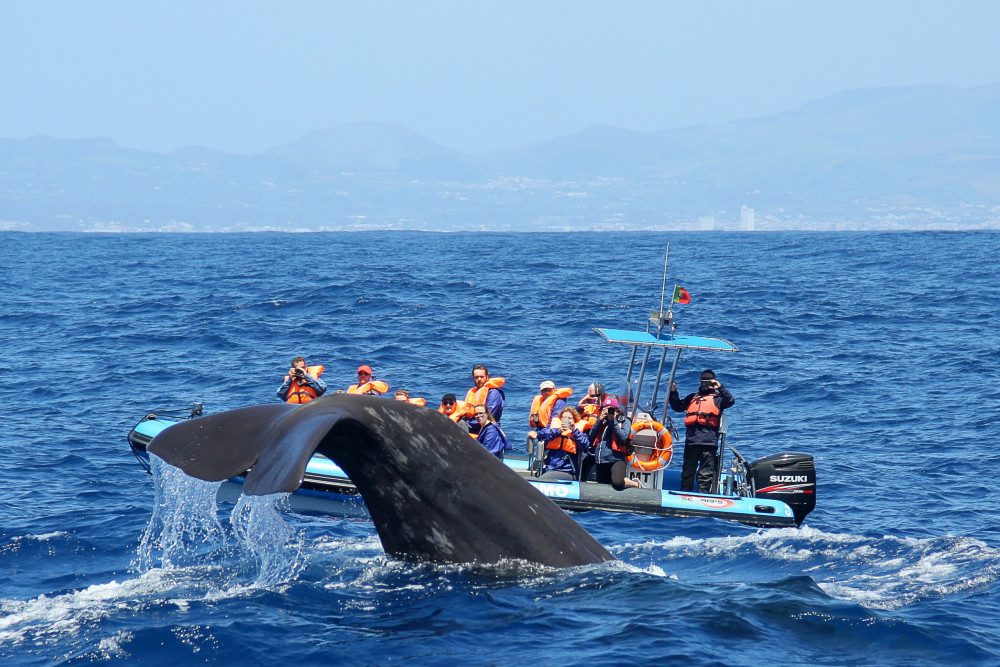
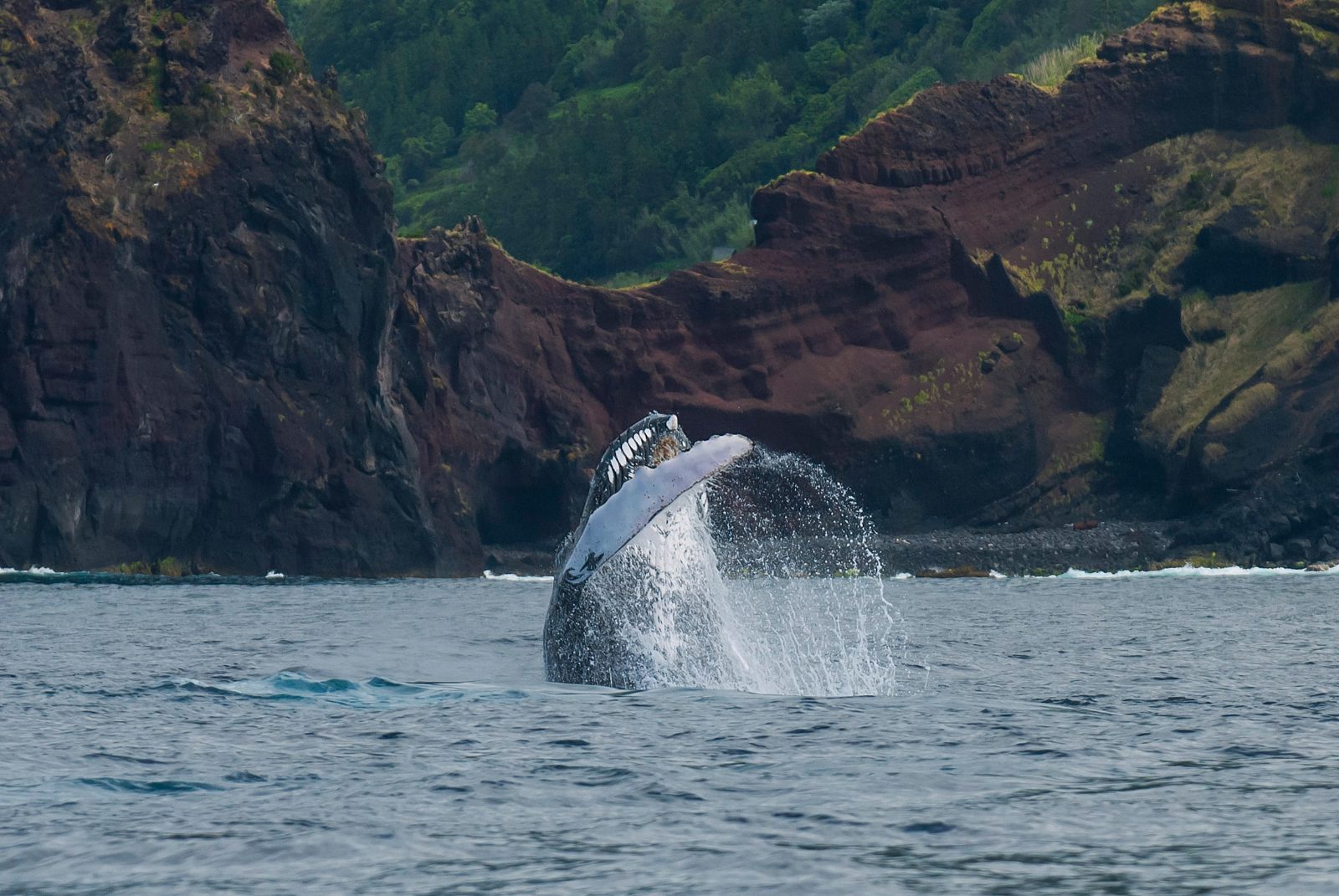
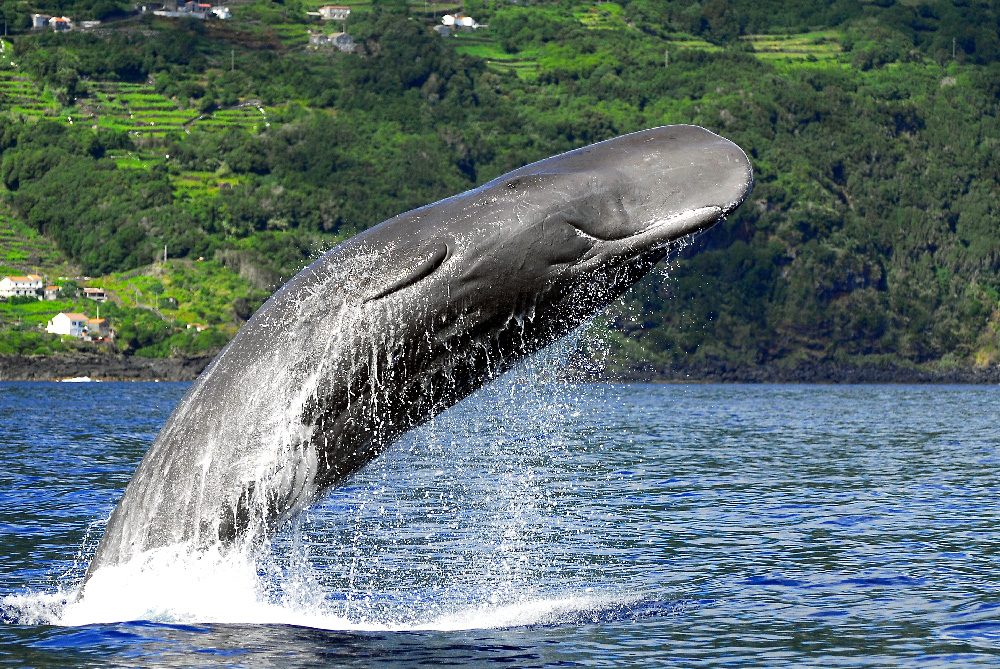
Twenty minutes offshore, the spotter's radio crackles coordinates. The engine cuts to idle. You scan the horizon, waiting. A columnar blow erupts three hundred metres ahead—the sperm whale's angled exhalation, unmistakable at this distance. The whale surfaces for eight minutes, breathing in measured intervals, dorsal hump rolling above the waterline. The biologist photographs the fluke pattern as it dives, tail flukes rising vertically before the animal descends beyond sunlight.
You drift in silence, hydrophone submerged. Metallic clicks fill the cabin speaker—echolocation pulses bouncing off squid a thousand metres below. A second whale surfaces alongside the boat, close enough to see remora fish clinging to scarred skin. It exhales twice, seawater misting across the bow, then slips under. The encounter lasts ninety minutes before the boat turns northeast toward Madalena, passing scattered groups of common dolphins riding the bow wave home.
All the details about your upcoming adventure in one place
Pico Island sits atop the Mid-Atlantic Ridge, where oceanic trenches plunge three thousand metres within sight of shore. These abyssal waters host the planet's densest concentration of sperm whales, creatures that dive a kilometre deep to hunt giant squid in total darkness.
The Azorean whaling industry, which operated from Lajes do Pico until 1987, transformed overnight into conservation-led tourism when Portugal banned commercial hunting. Former harpooners became spotters, their intimate knowledge of migration routes and surfacing behaviour now serving scientific research rather than extraction.
The sperm whale population here numbers approximately two hundred residents, supplemented by seasonal visitors between April and October. Blue whales, fin whales, and sei whales pass through during spring and autumn migrations, while common dolphins, bottlenose dolphins, and Risso's dolphins inhabit the coastal shelf year-round. Sightings occur on ninety-five percent of departures, a success rate unmatched in European waters. Vigia posts—stone lookout towers that once coordinated whale hunts—still line Pico's southern coast, their observers now radioing coordinates to licensed operators via VHF.
Espaço Talassa, operating since 1989, maintains a research partnership with the University of the Azores. Onboard marine biologists collect photo-identification data, dorsal fin catalogues, and behavioural observations during every voyage. Rigid inflatable boats carry twelve passengers maximum, allowing silent approach within Portuguese marine sanctuary regulations. Hydrophones transmit whale vocalizations in real time—the rhythmic clicks of echolocation, the creaking codas that identify individual family units. The Pico whale watching tour departs from both Lajes and Madalena harbours, with morning sailings preferred for calmer sea states and optimal light.
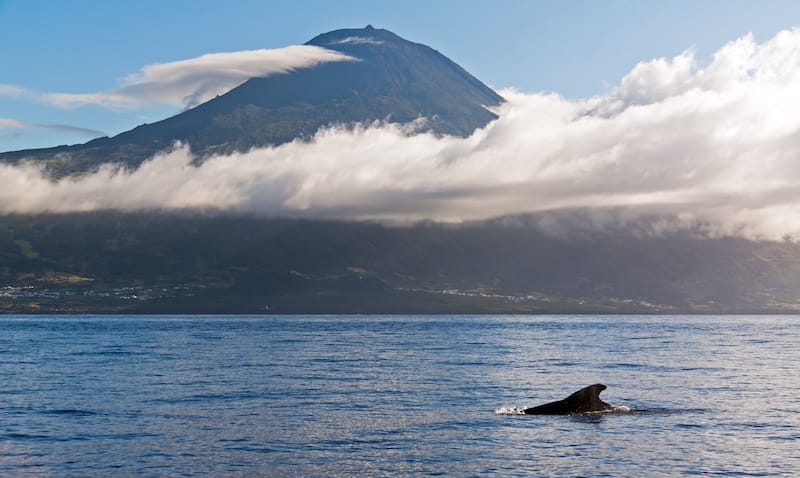
Mount Pico's volcanic cone rises directly from the Atlantic, its 2,351-metre summit visible from departure points. The island's wine culture, inscribed as UNESCO World Heritage in 2004, developed in parallel with its whaling past—currais de pedra, black basalt enclosures protecting vines from salt wind, still cover the western slopes. This geological and cultural convergence makes Pico the sole destination where whale watching tours operate within view of Portugal's highest peak.

Former harpooners became spotters, their intimate knowledge of migration routes now serving scientific research rather than extraction.
Wear warm, windproof layers regardless of the sunny forecast. Sturdy, non-slip footwear is essential for safety on the boat decks.
Keep belongings minimal, as storage space on smaller vessels is restricted. Secure all loose items to prevent loss during the excursion.
Waterproof housing is recommended to protect cameras from sea spray. Avoid using flash when near marine life to minimize disturbance.
Children are welcome on most excursions when accompanied by an adult. Safety vests are provided and must be worn by minors during the entire trip.
Some harbours have restricted pier access for those with limited mobility. Contact the operator in advance to confirm which boat can accommodate specific needs.
Bringing personal water bottles and light snacks is permitted. Consumption of meals during the voyage is discouraged due to motion at sea.
Opening Hours
08:30–20:00
Address
Lajes do Pico and Madalena harbours, Pico Island, Azores, Portugal
Accessibility
Varies by vessel; contact operator for mobility assistance
Best arrival
08:30–09:00
Storage
Limited space available at booking office
Location
Pico Island harbours
Car · 45 min · Varies by provider
Rental vehicles are the most efficient way to reach the harbours of Pico Island
Taxi · 30 min · Variable rates
Available from the airport or major towns to reach the harbour
Cancellations made 24 hours prior to the scheduled departure are generally eligible for a refund. Please note that boat tours have individual costs beyond the 0 EUR entrance fee to the booking office.
Recommended time
3-4 hours
To ensure the best experience, we recommend arriving at the Lajes do Pico or Madalena harbours between 08:30–09:00, as morning sea conditions are often calmer and optimal for spotting marine life during a pico whale watching tour. Securing your pico whale watching tour tours early allows for a relaxed briefing before departing on your boat expedition to observe cetaceans in their natural habitat. If you have reserved pico whale watching tour tickets for later in the day, expect slightly more variable water conditions and increased activity at the departure points. This typical pico whale watching tour tour requires allocating a half-day window to account for pre-departure safety procedures and potential travel time across the Atlantic waters.
Crowd levels through the day
Weather · crowds · average price — dots go green to amber to red as each metric rises.
April to June offers a high frequency of sightings for migratory baleen whales.
July to September brings warmer water temperatures and stable sea conditions.
October provides quieter experiences as peak season crowds depart the island.
Low season results in fewer scheduled tours due to Atlantic weather patterns.
Reservations for a pico whale watching tour are essential during peak months. Booking online ensures your spot on the boat.
Sea conditions change rapidly around the island. Consult the operator on the morning of your trip for the status.
Taking medication prior to departure is advised if you are prone to seasickness. The Atlantic can be quite dynamic.
Maintain a respectful distance from all marine life. Guides are trained to ensure the safety of the animals.
Bring your own pair for better spotting. While guides have professional equipment, your own set increases the fun.
Pico Island's transformation from whaling stronghold to cetacean sanctuary began in 1987, when Portugal banned commercial whaling after three centuries of pursuit. The island's whalers, whose ancestors had hunted sperm whales since the mid-1700s, faced economic collapse. Lajes do Pico, once the Azores' most prolific whaling port, lost its defining industry overnight. Former harpooners and lookout spotters—men who had spent decades reading the ocean—possessed irreplaceable knowledge of migration corridors and whale behavior. In 1989, a handful of ex-whalers partnered with marine biologists to launch the first pico whale watching tour, converting their traditional botes to carry cameras instead of harpoons. The early years tested resolve. Tourists were scarce, and many islanders viewed the pivot as betrayal of heritage. By 1993, the Espaço Talassa cooperative formalized operations from Madalena and Lajes harbours, training former crew in non-invasive observation protocols. The breakthrough came in 1998, when sperm whale populations rebounded visibly along Pico's southern shelf. Word spread among researchers and eco-tourists. The island's vigias—stone lookout towers that once directed killing boats—were repurposed as spotting stations, their occupants now radioing tour operators about surfacing pods instead of strike coordinates. By 2004, pico whale watching tour tickets outsold all other Azorean marine excursions combined. The industry survived a 2011 economic downturn that shuttered rival operators across the archipelago. Today, third-generation whaling families pilot rigid inflatables where their grandfathers once threw iron, and Pico's waters host twenty-four cetacean species year-round. The old harpoons hang in the Lajes Whaling Museum, rust testament to a livelihood abandoned but never forgotten.
Pico whalers hunt sperm whales for oil, becoming the Azores' most prolific harpooning port.
Portugal bans commercial whaling; Lajes do Pico's economy collapses overnight.
Former whalers and biologists launch the first whale-watching tours from converted botes.
Espaço Talassa cooperative formalizes operations, training ex-harpooners in observation protocols.
Sperm whale populations rebound visibly; eco-tourism interest surges across Europe.
Pico's tours outsell all other Azorean marine excursions; vigias repurposed as spotting stations.
Economic downturn shutters rival operators; Pico's family-run cooperatives survive.
Third-generation whaling families pilot tours; twenty-four cetacean species documented in Pico waters.
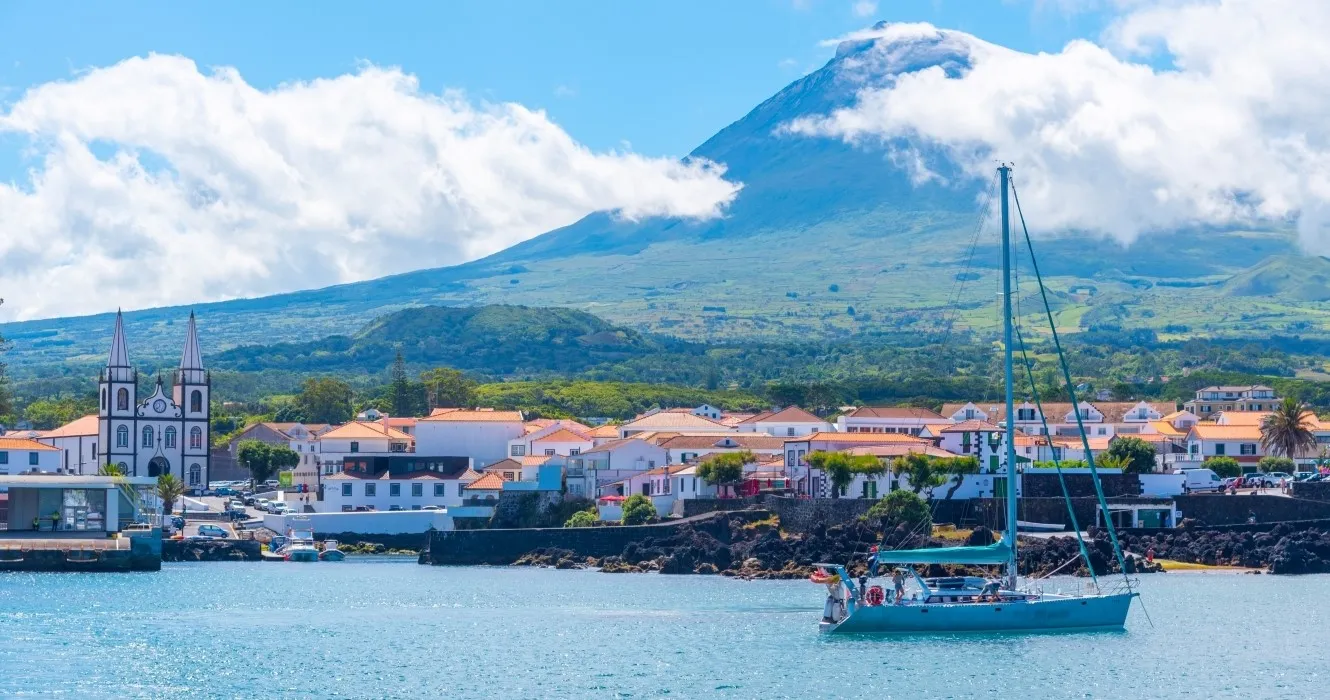
Position yourself at the end of the stone breakwater to capture the departure of the vessel against the backdrop of the village. This provides a wide-angle perspective of the coastline as you head out on a pico whale watching tour.
Stand along the seaward path to frame the silhouette of Mount Pico rising above the Atlantic Ocean. This is a common vantage point for capturing images of the excursion boats heading toward the horizon.
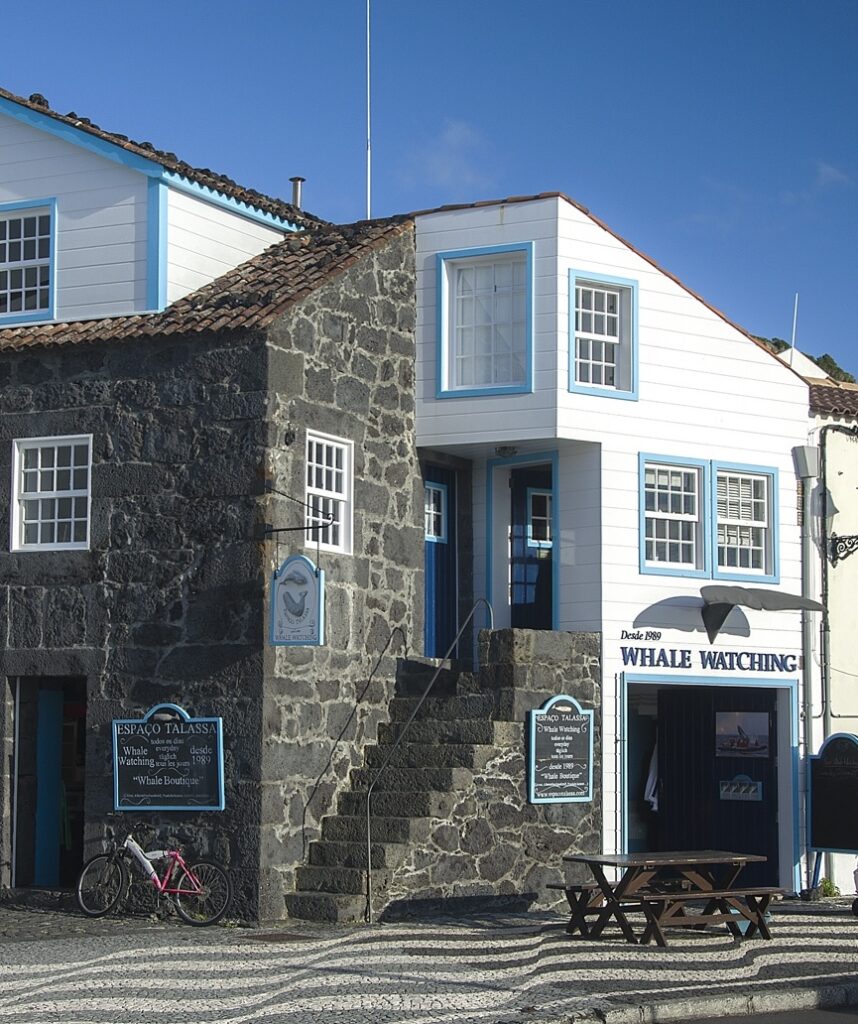
The exterior of this historic location features traditional architecture that serves as a perfect starting point for your maritime adventure. Photographers often use this as a frame for their pico whale watching tour tour preparations.
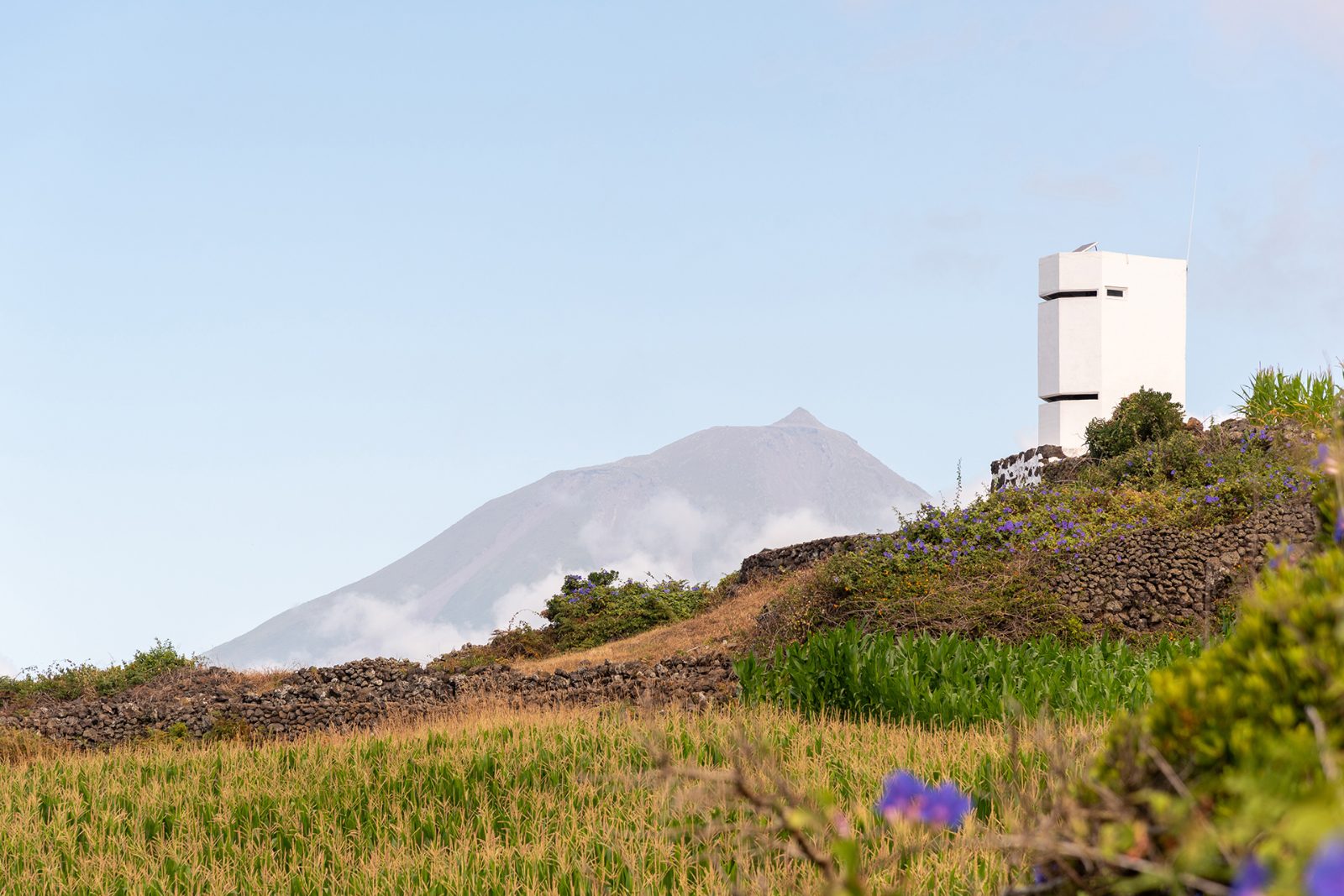
From this historic whale lookout, you can observe the vast expanse of the ocean where spotters identify marine mammals for upcoming pico whale watching tour tickets. The elevated position offers a clear view of the deep blue waters.
Exploring the Atlantic marine life together is a highlight for many visiting families, as a pico whale watching tour offers a rare opportunity to see sperm whales and dolphins in their natural habitat. Our expert-led experiences balance ocean adventure with conservation education, ensuring a respectful connection with these majestic creatures.
While some operators accept younger children, these sea excursions are generally most suitable for children aged 8 and older who can manage the boat motion and follow safety briefings. For tours with children, we recommend a private tour to ensure a pace that suits your family's needs
Due to the nature of zodiac boat travel and harbor locations, strollers are not practical for the boat portion of the experience. Please plan to use a baby carrier if you are traveling with infants who require support while on land
The booking office is located at Lajes do Pico and Madalena harbours, where you can find essential information before your adventure begins. Staff are available to provide support and answer any questions to help your family prepare for your time on the water
Morning departures between 08:30–09:00 are often recommended, as sea conditions are frequently calmer during this window. This timing helps keep the experience comfortable for younger adventurers and provides optimal visibility for spotting wildlife
Our team monitors weather conditions closely to ensure the safety of all passengers during every pico whale watching tour. If conditions require a cancellation, we will work with you to reschedule your excursion during your stay on Pico Island
Visitors arriving for their pico whale watching tour will find various dining options located along the waterfronts of Lajes do Pico and Madalena. These harbor-side establishments offer convenient meals for those securing their pico whale watching tour tickets.
Everything you need to know for your journey
The office is open daily from 08:30–20:00.
There is a 0 EUR entrance fee to the booking office; however, boat tours have individual costs.
Please contact the operator directly to manage your pico whale watching tour booking and availability.
The best arrival window is 08:30–09:00 for the calmest morning sea conditions.
Yes, minors are welcome on the boat tour provided they wear the required safety equipment.
Photography is encouraged, but ensure your equipment is protected from salt spray and avoid flash.
If a pico whale watching tour is cancelled due to weather, a refund or reschedule is offered based on policy.
You are encouraged to bring your own water and snacks, though meals are not served on board.
Access the harbours of Pico Island via car or local taxi services.
Accessibility varies by vessel; please contact the operator to discuss specific requirements before buying tickets.
Dedicated to the history of the regional whaling industry and local maritime heritage.
A UNESCO site featuring volcanic stone walls protecting unique vines.
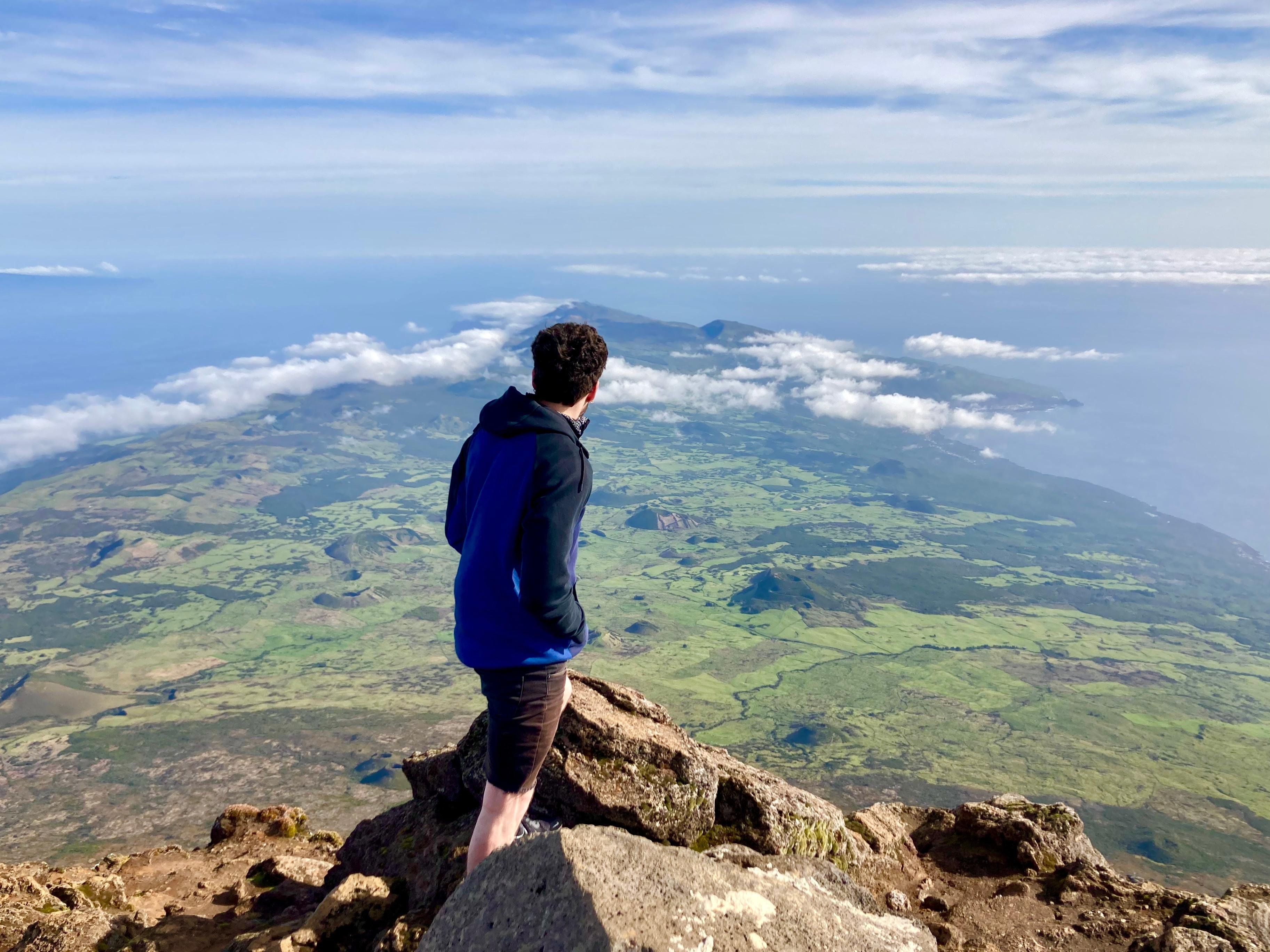
The tallest mountain in Portugal offering panoramic views of the archipelago.
Centrally located with easy access to harbour activities.
Set within an old vineyard with coastal ocean views.
Join thousands of happy travelers who have discovered this incredible experience
Book Your Experience Now